
You may have heard that lactic acid is present in your body, but it is interesting to know that this substance is also present in some foods. In this article, we will examine the effects of lactic acid in food.
Lactic acid is an organic acid produced by bacteria during food fermentation.
It is also sometimes used as a food preservative to prevent spoilage and enhance the flavor of processed foods. The Food and Drug Administration (FDA) has approved its use in most products, except for baby foods and infant formula.
Although many people question whether this common ingredient is safe, what is certain is that they will definitely be happy to hear about its benefits.
This article evaluates the potential health effects of lactic acid in foods.
Sources of lactic acid
Lactic acid is found in a variety of foods. It is produced naturally as a result of fermentation or added to certain ingredients as a preservative.
Here are some common foods that naturally contain lactic acid:
- Pickled vegetables
- Kaffir
- Yogurt
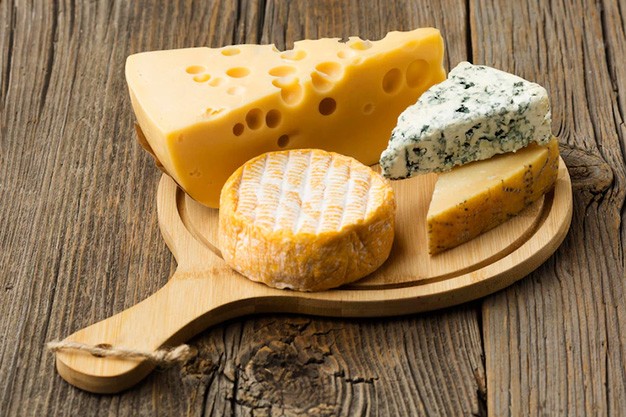
- Cheese
- Miso
- Kimchi
- Sauerkraut
- Yeast bread
- Beer
Here are some foods that can contain lactic acid as a preservative:
- Salad dressing
- Olive
- Cheese
- Frozen desserts
- Carbonated beverages, such as soda

Note that cheese is mentioned twice, as lactic acid can be both a byproduct of the cheesemaking process and included as a preservative in some cheeses.
Properties of lactic acid
-
It can promote gut health
Many types of bacteria that produce lactic acid, including Lactobacillus, are considered probiotics. These beneficial bacteria support a healthy gut microbiome and are associated with a wide range of other health benefits.
By eating more foods rich in lactic acid, you can increase your intake of probiotics. In turn, this may support digestive health, promote regular bowel movements, and strengthen your gut.
Additionally, since the gut microbiome plays a key role in immunity, some research suggests that probiotics can help reduce inflammation and support immune function.
-
It can increase the absorption of nutrients
Some research shows that lactic acid can increase your body’s absorption of certain nutrients.
For example, a human laboratory study found that eating vegetables fermented with lactic acid increased the body’s ability to absorb iron. Iron is an important micronutrient that plays a role in oxygen transport and the production of healthy red blood cells.
Therefore, eating foods containing lactic acid along with iron-rich foods can help prevent iron deficiency anemia (a fairly common condition that causes symptoms such as fatigue, hair loss, and dizziness).
Additionally, an animal study found that consuming lactic acid with black tea increased the absorption of flavonoids, natural compounds that act as antioxidants to protect against inflammation and cell damage.
-
It can act as an antioxidant
Studies show that lactic acid producing bacteria can have antioxidant activity.
Antioxidants are compounds that help neutralize harmful molecules called free radicals and reduce inflammation. They can also protect the body against a host of chronic conditions, including cancer, diabetes and neurological disorders such as Alzheimer’s disease.

Interestingly, a laboratory study showed that the addition of lactic acid-producing bacteria to fermented sausage significantly increased the antioxidant content.
Another laboratory study showed similar findings and reported that lactic acid fermentation increased the amount of antioxidants 5-10 times.
Possible side effects of lactic acid in food
Although lactic acid is generally considered safe and is associated with several health benefits, it may cause side effects for some people.
In particular, fermented foods and probiotics may temporarily worsen digestive problems such as gas and bloating.
A small study of 38 people taking probiotics linked increased blood lactic acid levels and bacterial overgrowth in the small intestine to symptoms such as gas, bloating, and brain fog (a condition associated with impaired memory and concentration).
Some research also shows that probiotics have a different effect on immune system function in healthy people compared to people who are immunocompromised.
However, if you have any underlying medical conditions or if you experience negative side effects after eating foods containing lactic acid, consult a healthcare professional before making any changes to your diet.
The last word
Lactic acid is an organic acid that occurs naturally in fermented foods and is added to some processed foods to prevent spoilage and enhance flavor.
Lactic acid and the bacteria that produce it have been linked to several health benefits, including improved gut health and increased nutrient absorption. Lactic acid can act as an antioxidant to protect against cellular damage and chronic diseases.
Many fermented foods contain lactic acid, including pickled vegetables and fermented dairy products. Lactic acid is also found in several other food products such as olives, cheese and carbonated beverages.
Lactic acid Price
To buy lactic acid or to know the price of lactic acid, contact the experts of the collection through our contact us page.