
Dextrose is a simple sugar made from corn. It is similar to fructose and is chemically identical to glucose. Simple sugars such as dextrose, fructose and glucose appear in foods such as regular sugar, honey and bread. Dextrose is often used in foods as an artificial sweetener.
Dextrose works to compensate for lost nutrients and electrolytes. It also provides metabolic energy and is the main ingredient in oral hydration salts or oral rehydration (ORS). Dextrose in intravenous (IV) fluids is used to provide nutrients to intensive care patients who are unable to receive them orally.
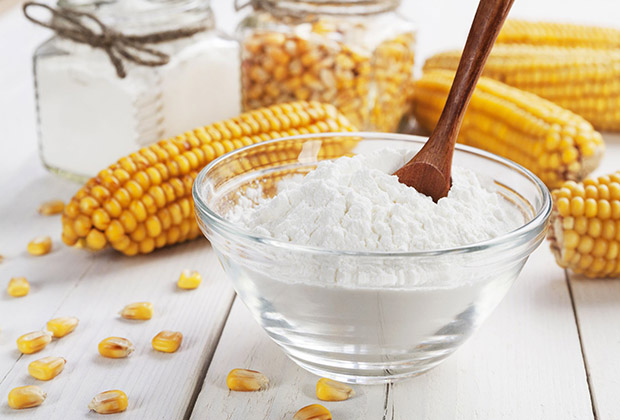
Monohydrate dextrose is used in confectionery, cakes, beverages, biscuits, cookies, jams, jellies and honey-based products. It has a sweet taste and is used as a sweetener and moisturizer. Dextrose is used to treat very low blood sugar (hypoglycemia), especially in people with diabetes mellitus. To treat insulin shock (low blood sugar due to insulin use and then not eating enough), dextrose is given as an injection.
What is dextrose made of?
Dextrose is a white crystalline powdered sugar produced from glucose syrup resulting from the complete hydrolysis of cornstarch. This product is known for its soft and tasty pastry surface, high solubility and transparency in solutions.
Some specifications of dextrose :
- Odorless
- Soluble in water
- A white, crystalline powder
Glucose / Dextrose
Dextrose, the same sugar known as glucose, has two sources:
- Naturally found in most fruits
- Processed form of corn (corn syrup)
Dextrose (chemically identical to glucose) is present in crystalline form and has certain advantages over sucrose:
- It is easily fermented.
- Helps brown bread in the production process.
- In crystalline form, it is often used in donut sugars because it tends to stay dry and non-fat.
- It is a moisturizer and is also known as a moisture retainer.
- Delays crystallization in syrups, candies and sweets.
Corn syrup is made from corn starch (corn) and contains different amounts of glucose and maltose, depending on the processing methods. Corn syrup is used in foods to soften texture, increase volume, prevent sugar crystallization and enhance flavor.
Physical and chemical properties
Dextrose is a compound of glycogen, starch and cellulose. This is exactly like regular sugar. The dextrose you receive will be in powder form. At room temperature, it will remain crystalline. Soluble in water and slightly soluble in ethanol.

Dextrose and its many applications have led to the refined production process. It is a simple sugar produced by the hydrolysis of starch. Cornstarch, where glucose comes from, is a chain of dextrose chains. Hydrolysis is a process that works in bulk to break down these chains and create dextrose.
Profile table
Dextrose CAS No.: 5996-10-1
Molecular formula: C6H12O6 H2O
Appearance: powder
Physical state: solid
Storage temperature: room temperature
Boiling point: 410.8 ° C at 760 mm Hg
Density: 1.54 g / cm3 at 25 ° C
Bulk density: 1/51 g per cubic centimeter
Molecular Weight: 198.17
Application
Dextrose provides the body with water and sugar. It provides four calories per gram and contains 9% water by weight. It is often used by people who suffer from low blood sugar. This substance can provide energy to the person. Dextrose is a “sugar reducer” and is used in many foods and medicines. It can improve the quality of your product and create a pleasant taste. It is economical and safe if used regularly.
Used properly, it can help people with energy and fluids. Dextrose fits easily into many formulas due to its ineffectiveness.
Bodybuilders may use dextrose as a supplement. Doctors use dextrose to treat many ailments, including dehydration and hypoglycemia. However, when using dextrose, it is important to carefully monitor your blood sugar levels to prevent the symptoms of high blood sugar.
In the following, we will explain the application of dextrose in various industries and products:
- Dextrose in the food industry
Dextrose is a sugar obtained from corn and sometimes other plants. Its main use is in food as a sweetener, especially in cooked goods. Packaged foods usually contain dextrose due to their widespread availability. Apart from sweetening food, dextrose may also be used to neutralize food that is too spicy or salty.
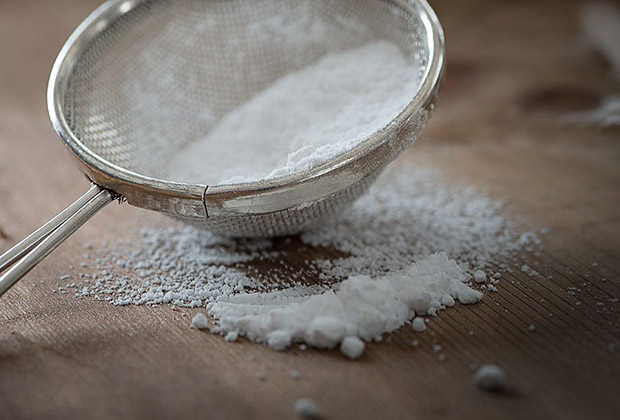
Dextrose is used as a dietary supplement in milk powder to improve nutritional value. It is also used in sweets to create a cool and sweetening taste. Dextrose is used in bakery to increase yeast growth and improve the appearance of food.
Also, some companies add dextrose to certain products to increase shelf life.
- Dextrose in beverages
Dextrose is widely used as a dietary supplement, for energy as well as for sweetening beverages.
- Dextrose in Pharmacy
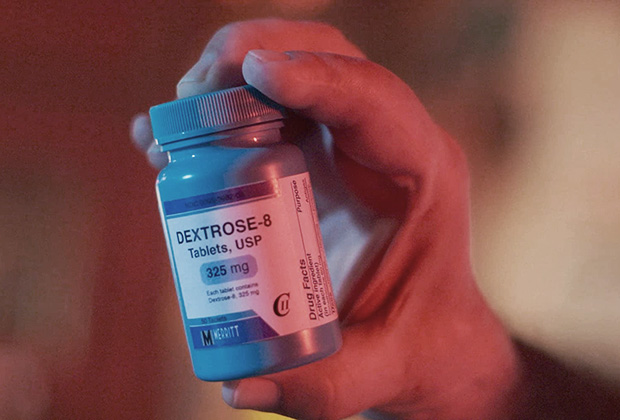
Dextrose is widely used as a dietary supplement in pharmacy and oral tablets.
- Dextrose in agriculture / animal feed
Dextrose is used as a raw material and buffer in veterinary products and also as a nutritional supplement in animal feed to increase nutritional value.
- Dextrose in medicine
Dextrose (antidote) is used for acute alcohol poisoning, overuse of sulfonylureas, overdose of insulin, high blood potassium (hyperkalemia) and hypoglycemia due to insulin in pediatric patients.
Doctors use dextrose for a variety of reasons, including:
- For rapid treatment of low blood sugar
- To treat dehydration
- For nutrition with amino acids and other substances
Doctors may recommend a course for lowering blood sugar to a person with diabetes or a predisposed person to taking dextrose pills. These pills dissolve quickly in a person’s mouth and allow the body to absorb dextrose. When a person with low blood sugar takes dextrose pills, his blood sugar quickly returns to a healthy level.
Doctors can also combine dextrose with many other fluids to make an intravenous solution. For example, they may combine dextrose with a saline solution to create a moisture-like sample for people with dehydration.

Some medical problems may cause a person to be unable to eat or to absorb nutrients. This can lead to malnutrition. In cases of malnutrition, doctors may decide to feed the person through a central venous catheter, a tube that goes into a large vein.
- Dextrose in other industries
Dextrose is widely used as an antioxidant and fermentation substrate in various other industries. Dextrose is the most widely used fermentation medium in the production of a variety of vitamins, amino acids and other organic products.
It is also used as a fermentation substrate in the production of various organic materials for energy supply.
Dextrose has a variety of other uses and is used as a compound in many of the following everyday products:
- Bath and sanitary products
- make up products
- Skin care products
- Hair care products
Some bodybuilders use dextrose as a post-workout supplement to replenish glycogen stores. Glycogen is a type of glucose that the body stores for energy.
When one exercises hard, the body consumes some of its stored glycogen. Many bodybuilders add dextrose pills or powders to the water and drink it after exercise to replenish those glycogen stores as soon as possible to help repair muscles.
During the process of muscle repair, muscle strength and volume increase, both of which are essential results for bodybuilders.
Is dextrose good or bad for you?
The body breaks down simple sugars very quickly to use them for energy. If one consumes too much simple sugar, the body stores excess fat in the body.
While the body needs some simple sugars for energy, consuming too much can increase the risk of :
- Weight Gain
- Heart disease
- Diabetes
- Acne and other skin problems
- Low energy
- Depression
Dextrose is usually safe to use, but has some potential risks and side effects. Excessive dextrose may cause excessive thirst. Doctors should be careful when prescribing dextrose to people with certain medical conditions. Dextrose use can lead to dangerously high blood sugar or fluid retention in the body, which can cause swelling and fluid in the lungs.
People with the following conditions should avoid dextrose :
- High blood sugar
- Swelling in the arms and legs
- Pulmonary edema
- Low levels of potassium in the blood
Anyone taking dextrose should carefully monitor their blood sugar levels to prevent high blood sugar.
Related article :
