
Xanthan gum is a food thickener made from bacteria. It is found in a wide variety of foods as well as products such as toothpaste. Although it may offer good health benefits, it is used primarily to change the texture of food and then for other medical and health needs.
Xanthan gum is a sugar-like compound that is made by mixing fermented sugars with a specific type of bacteria. This substance is also used to prepare medicine.
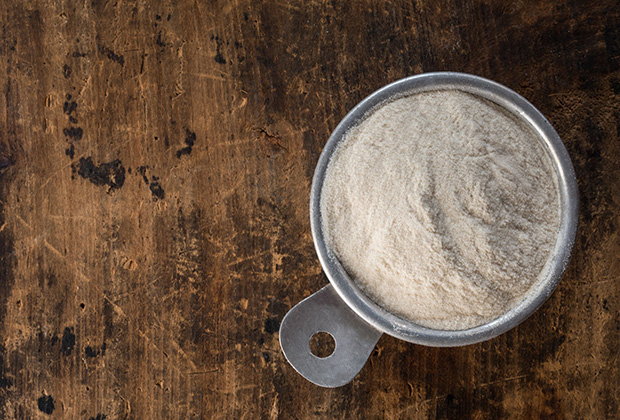
Xanthan gum is used to lower blood sugar and total cholesterol in people with diabetes, as well as as a laxative. Xanthan gum is sometimes used as a saliva substitute in people with dry mouth (sjogren’s syndrome).
In production, xanthan gum is used as a thickening and stabilizing agent in foods, toothpastes and medicines. Xanthan gum is also part of some stable secretion pills.
How does it work in the body?
Xanthan gum swells in the intestines and causes the gastrointestinal tract to excrete feces. It may also slow the absorption of sugar from the gastrointestinal tract and make the saliva of the mouth fat and moist in people who do not produce enough saliva.
Xanthan gum history
The xanthan gum was discovered by Allene Rosalind Jeanes and her research team at the US Department of Agriculture and was commercially produced by CP Kelco under the Kelzan brand in the early 1960s.
Approved for use in food in 1968 and accepted as a safe food additive in the United States, Canada, European countries and many other countries under E E415 and CAS 11138-66-2.
Xanthan gum takes its name from the bacterial species used in the fermentation process, Xanthomonas campestris. This is the bacterium responsible for causing black rot on broccoli, cauliflower and other leafy vegetables.
Short tips about xanthan gum :
- Xanthan gum thickens food and other products and also prevents the separation of substances.
- Non-edible products such as oils and cosmetics also contain xanthan gum.
- Xanthan gum may help lower or stabilize blood sugar.
- Like any food or food additive, some people may not tolerate it.
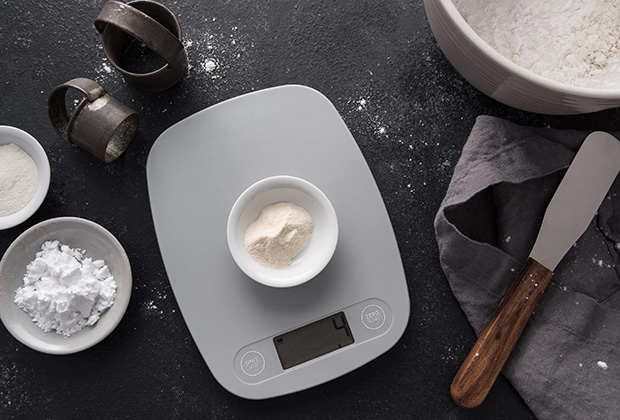
What is xanthan gum used for?
Xanthan gum serves two main purposes:
As a thickening agent: It is added to toothpaste and some other products to maintain their uniform thickness. It is also used in industry, for example, to help thicken drilling oil.
As an emulsifier: its ability to bind to moisture means that it can prevent the separation of products. For this reason, it is used in some salad dressings and cosmetic oils.
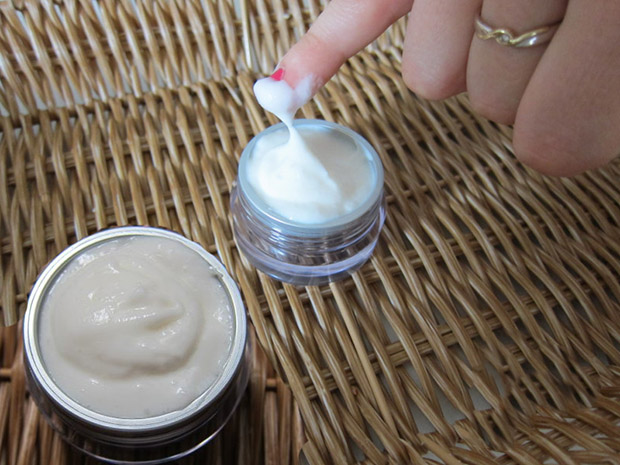
Many cosmetic companies also use it as an ingredient in lotions and liquid cosmetics. Xanthan gum has skin moisturizing properties that are very suitable for products used on the face.
One of the medical uses of xanthan gum is to thicken fluids for people who have had a stroke or other conditions that make it difficult to swallow thin liquids without suffocation. It is used as a saliva substitute for people with dry mouth.
Xanthan gum is found in many types of medications such as the following:
- Pills that break down slowly in the body
- Liquid drops for the eyes
What is the reason for using xanthan gum in gluten-free cooking?
In gluten-free baking, we use xanthan gum to create elasticity and stickiness in the dough. Since we do not have gluten, we need something that acts as a binding agent for the flour and helps maintain the moisture and texture of the dough.

If you’ve ever forgotten your xanth gum in the recipe, we bet you feel the cooked and tasty food will be crushed in your hands. That’s why xanthan gum is great for bakers, as it helps prevent baked goods from spilling!
Xanthan gum health benefits
Xanthan gum has potential health benefits, although these benefits are unlikely to occur without supplements.
Some of the health benefits of Xanthan gum in a nutshell include the following:
- As a laxative to treat constipation
- Decreased blood sugar in people with diabetes
- Lowering cholesterol levels in people with diabetes
- As a saliva substitute for dry mouth
- The following is a more complete description of the potential health benefits of Xanthan gum :
Low Cholesterol: In one study, five men took 10 times more xanthan gum than recommended for 23 days. Their final blood tests showed that their cholesterol had dropped by 10 percent.
Weight loss: People have seen an increase in satiety after consuming xanthan gum . It seems to increase satiety by delaying gastric emptying and slowing digestion.
Anti-cancer properties: A study in mice with melanoma showed that taking xanthan gum significantly slowed the growth of cancerous tumors and increased life expectancy. Of course, no human study has been done on this yet.
Liquid concentration: Xanthan gum is used to thicken fluids for people who have difficulty swallowing, such as the elderly or people with neurological disorders.
Saliva substitute: Xanthan gum is sometimes used as a saliva substitute for people suffering from dry mouth, but studies on its effectiveness have yielded mixed results.
Possible side effects
Xanthan gum is safe when consuming a maximum of 15 grams per day. Of course, it can cause some side effects such as flatulence (bloating) and bloating. People who are exposed to xanthan gum powder may experience flu-like symptoms, burning nose and throat, and lung problems.
For some people, xanthan gum may be less safe. These people are:
- People with a history of diarrhea or severe gastrointestinal pain: Xanthan binds moisture to the gastrointestinal tract and potentially worsens diarrhea.
- People with a history of fecal incontinence: Because xanthan gum can act as a laxative, it may make bowel control more difficult.
- Allergies: People who have a history of adverse reactions to xanthan gum.
- People with severe allergies to cruciferous plants, such as broccoli, kale, or kale: Xanthan gum is made from the bacteria in these plants, so they may develop allergies similar to when they are consumed.
To buy xanthan gum or to know the price of xanthan gum, contact the experts of the collection through our contact us page.
Related Articles:
