
Ammonium bicarbonate, also known as dry ammonia, unlike baking powder or baking soda, does not leave a special alkaline taste of baking soda or baking powder.
This material is not used in high volume cakes, but is often used in the following cases:
- Extra crunchy cookies
- Creamy sweets
- Cracker
In the presence of water and heat, ammonium bicarbonate decomposes into ammonia, carbon dioxide and water, all of which cause the dough to rise.
One of the constituents of ammonium bicarbonate is ammonia. A very practical material that in addition to widespread use in various industries, has many home applications.
Here are some interesting and practical tips about ammonia:
1) Remove stains on concrete and mosaic
Changing the color of the concrete or mosaic path of a car park, garage floor or yard can be quite eye-catching. Mix 1 cup of ammonia with 1 gallon of water in a bucket and apply to the stains with a sponge or large tissue. Leave on for about 20 minutes and then clean the stain with a brush. Rinse the area with clean water or take a water hose. If the stain does not disappear completely after the area dries, repeat this process to see the result.
2) Eliminate scratches on the glass
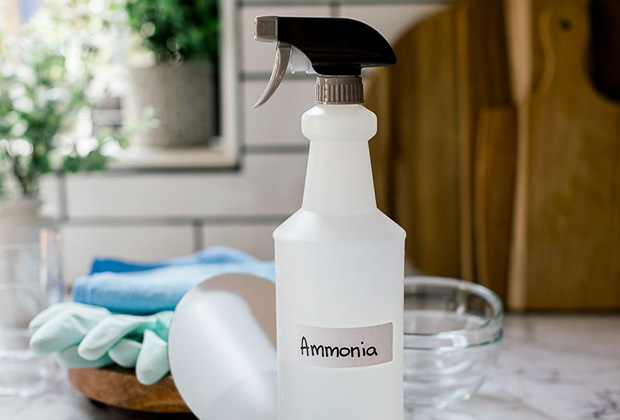
Mix 1 tablespoon of ammonia with 2 cups of water in a spray bottle to remove lines, scratches, and contamination from mirrors, windows, and crystals. Pour the solution over glassware and pat dry immediately with a soft, lint-free cloth. Paper towels are suitable for drying mirrors.
3) Eliminate stubborn stains on clothes
Stubborn stains on cotton, polyester or nylon fabrics will be easily removed with a solution of 2 cups of clear ammonia, 1 cup of dish soap, 6 tablespoons of baking soda and 2 cups of warm water.
Mix these ingredients in a bowl or bucket and apply on the surface with a sponge or spray bottle. Leave on for about 30 minutes and rinse as usual. For harder stains such as blood, you should rinse the surface again with a solution of one part ammonia and one part warm water.
Note: Do not use this method for wool or silk. Ammonia can destroy these sensitive fabrics. Also remember to never mix ammonia in any laundry containing bleach.
4) Oils sprayed on gas
With this trick, deal with hard and sticky oils on the stove burners. Place each burner in a separate plastic bag filled with 2 cups of ammonia. Close the bag to remove the smoke and put it in the sink for eight to 12 hours. Open the bags in a ventilated area and easily wash away any grease and dirt with a quick rub of soap and water. After the main mass is gone, rinse the burners thoroughly with water to remove any ammonia residue. Allow the burners to dry completely before reusing the gas.
5) Clean stains on carpets or appliances
Mix one part ammonia and one part hot water in a sprinkler or other bottle. Spray thoroughly on the stain with spray or sponge. After about 10 minutes, place a clean towel on the stain and press the steam iron on it for 20 seconds. Check the progress of the work: the transfer of the stain to the towel should start. Repeat this with steam ironing and, if necessary, more ammonia solution to remove stains.
6) Clean electric stoves
Preheat the oven to 150 degrees while boiling a large pot of water on the stove. Turn off the oven and open the windows to ventilate your kitchen. Place a sturdy container, such as a measuring cup or metal bowl, containing 2 cups of ammonia on the top shelf of the oven and the pot of boiling water on the bottom shelf. Close the oven and leave it for eight to 12 hours, then remove the ammonia and water. Keep the oven door open and let the air out for at least an hour before cleaning. As the dirt or ammonia vapor stain has thickened, it should be diluted and easily cleaned with a sponge, warm water and dish soap.
This method is only recommended for electric ovens, as mixing ammonia with gas can be dangerous.
7) Electrifying the tiles
Does the kitchen or bathroom tile look dirty and dull? To clean and disinfect them, mix 1 cup of ammonia with 1 gallon of water in a bucket and use a sponge or wet towel. If the area is more dirty, use a soft brush to remove more dirt.
8) Make your jewelry transparent and clear!
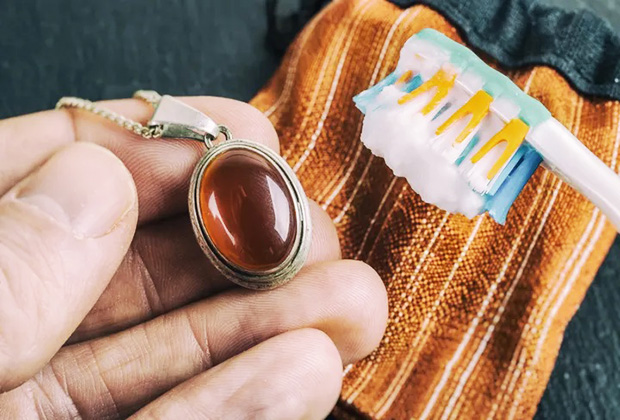
If jewelry, gold, silver, diamonds, or platinum have lost their luster, pour six portions of warm water with one portion of ammonia into a small bowl or bucket in which you do not place or cook food. Mix and add the pieces you want.
After 15 minutes, remove the jewelry with your gloves and then with a brush or toothbrush (toothbrush that is no longer used), remove any hard stains.
Let it soak for another 15 minutes and rinse immediately with warm water. (Pour the used ammonia solution into the drain when draining the hot water.) Then polish the jewelry with a soft, lint-free cloth and let it dry.
Do not use this method for pearls, as ammonia can destroy fine surfaces or other precious stones.
9) Eliminate unpleasant odors
Ammonia is the enemy of every scent, from fresh paint to burnt lasagna. Place a small container full of about half a cup of clear ammonia near the unpleasant odor, then ventilate the area to remove unpleasant odors within a few hours.
10) Keep pests away
The strong smell of ammonia can eliminate or remove unwanted agents such as insects and reptiles. Fill a plate with odorless ammonia or impregnate a cloth or cotton ball.
Then place it in areas where these pests are most absorbed, such as trash cans where insects roam or next to underground crevices into which mice enter. Before doing anything, make sure to keep the ammonia blocking agent out of the reach of children and pets.
To buy ammonium bicarbonate or to know the price of ammonium bicarbonate, contact the experts of the collection through our contact us page.
Related Articles:
