
Sodium carboxymethylcellulose (CMC) is a harmless bulking agent used to increase the concentration in the tissue of food products. This powder is a water-absorbing powder and can be compatible with the environment by its degradability.
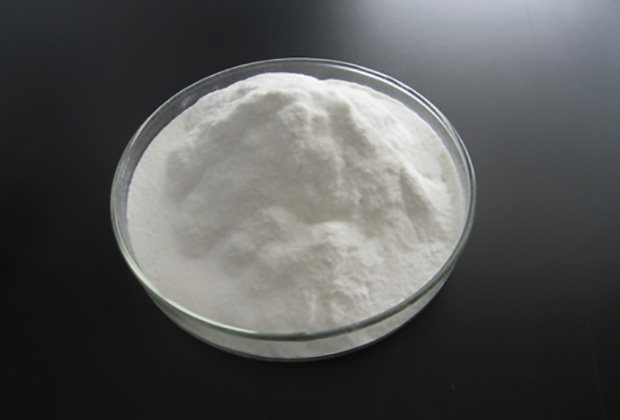
Sodium carboxymethylcellulose is a stabilizer in ice cream, beverages and frozen foods, and is also widely used in the food and feed additives, thickeners, and pharmaceutical industries. It is also used in paint, ceramics, paper production and similar industries.
Related Article:
Here are some common questions asked by various users about sodium carboxymethylcellulose :
What is sodium carboxymethylcellulose used for?
This drug is used to relieve dryness and irritation of the eyes. Common causes of dry eye include wind, sun, heat, air conditioning, computer use, studying and taking certain medications.
Cellulose is the main substance in the cell walls of the plant and helps the plant to stay firm and strong. Cellulose is used to make clothes and paper.
What is the source of carboxymethylcellulose?
Cellulose is extracted through sugarcane bagasse through the removal of lignin and hemicellulose. Cellulose is then converted to carboxymethylcellulose (CMC) using sodium monochloroesterate (SMCA) and various concentrations of sodium hydroxide (NaOH).
Is sodium carboxymethyl cellulose harmful to you?
Cellulose gum is generally considered a relatively safe food additive. It lacks nutritional value and complete health benefits, but can be a very useful additive for a variety of products.
Is sodium carboxymethylcellulose a natural substance?
Carboxymethyl sodium is derived from natural cellulose treated with chloroacetic acid. The US Food and Drug Administration (FDA) generally classifies sodium carboxymethylcellulose for use as a safe food additive (GRAS).
Is carboxymethylcellulose toxic?
Research has shown that CMC prepared in different doses has no toxic effect on cell structure and has the necessary safety in use as a food additive and an adjunct.
Is cellulose harmful to the body?
No harmful side effects have been found from adding it to food and its consumption is completely safe and legal.
Jeff Potter, author of Cooking for Beginners, says:
“Cellulose is an indigestible plant fiber, and we really need indigestible plant fiber in our food, which is why people use bran seeds and silicon skin.”
How is carboxymethylcellulose made?
Due to the unfavorable solubility of CMC in water, sodium salt is usually formed for better use. Sodium CMC is a water-soluble cellulose ether obtained by chemical modification of natural cellulose, such as cotton or wood pulp.
Is carboxymethylcellulose (cellulose gum) good for the skin?
Cellulose gum is a natural plant material that is often used as a thickener, but is also used as a film-forming agent (m-forming agent). This substance is considered safe in cosmetics by the US Cosmetics Review Center.
Is methylcellulose in food harmful to you?
Methylcellulose has been approved by the US Food and Drug Administration and the European Union as safe for human consumption, according to the US National Library of Medicine. There are no specific restrictions on use, as no side effects have been observed when using it as standard.
How do you make sodium carboxymethylcellulose?
Sodium carboxymethylcellulose is produced in the reaction of aqueous alkali with monochloroacetic acid in an organic solvent.
Is carboxymethylcellulose oral?
Carboxymethylcellulose is a water-soluble polysaccharide that has suitable biodegradable and edible properties and can be produced at low cost and large scale from various sources. It is odorless, tasteless and non-toxic and has a pH of about 6 to 8.5.
Is carboxymethylcellulose biodegradable?
The chemical structure of CMC carboxymethylcellulose is a naturally degradable polysaccharide and can be predicted to be completely degraded in environmental systems such as rivers and soils.
Is carboxymethylcellulose soluble in water?
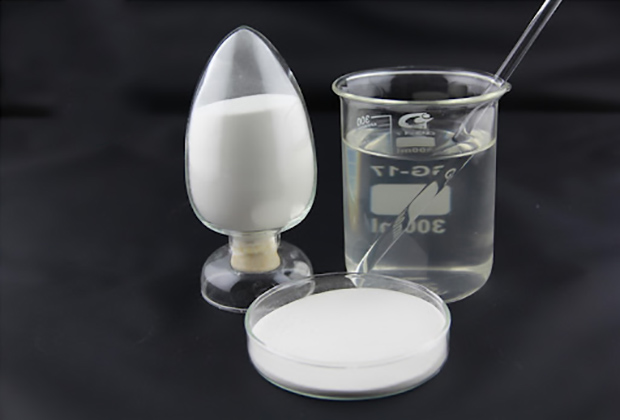
Carboxymethylcellulose (CMC) is soluble in water at any temperature. Due to its high hygrometric nature, CMC is rapidly hydrated. When CMC powder enters the water, rapid hydration may cause agglomeration.
Which foods contain cellulose?
Green beans have the highest amount of cellulose and hemicellulose. Potatoes have the highest amount of lignin; And carrots have the highest amount of pectin. In terms of optimal weight, fresh apples and peaches, freshly cooked green beans, canned carrots, and canned and frozen potatoes were higher in DF and NDF than other fruits or vegetables.
What is cellulose used for in food?
Cellulose is commonly used in foods and bakery formulations as a source of dietary fiber or to improve their texture. It is also used as a bulking agent in low-calorie, gluten-free cooked products.
What happens when you eat cellulose?
Cellulose is not digested by the human digestive tract or the bacteria in it. Cellulose is swallowed, passed through the gastrointestinal tract and released in the feces. Cellulose helps prevent constipation by providing the fiber needed in the diet.
What are the side effects of cellulose?
Possible side effects include eye discomfort / burning / redness, tearing, eye sensitivity to light, sticky eyelashes or temporary blurring. Tell your doctor or pharmacist immediately if any of these symptoms persist or worsen.
How is cellulose gum made?
Cellulose gum sources are grown steadily and processed using some form of acetic acid and salt. Acetic acid is a mild acid that is a major component of vinegar. After mixing cotton or wood with acetic acid and salt, filter the mixture and dry it to form a fine powder (cellulose gum).
What are samples of cellulose?
Here are some examples of cellulose fibers:
- cotton
- Linen
- Rayon
What foods contain carboxymethylcellulose?
Carboxymethylcellulose is widely and increasingly used in pharmaceuticals, wound dressings, cosmetics as well as foods such as chocolate products, ice cream, frozen cakes, instant pasta, condiments and so on.
Is carboxymethylcellulose organic?
Carboxymethylcellulose, the sodium salt, also known as sodium carmellose or C.M.C., belongs to a group of organic compounds known as hexose.
How do you use sodium carboxymethylcellulose?

CMC can be used as clotting agent, chelating agent, emulsifier, thickener, water retaining agent, reusable ice packs, measuring agent and film ingredients and so on. CMC is also widely used in fields such as electronics, pesticides, leather, plastics, printing, ceramics and chemical industries.
What is the difference between carboxymethylcellulose and cellulose?
The difference between cellulose and carboxymethylcellulose is that cellulose is a complex carbohydrate that is the main constituent of the cell wall in most plants and is important in the production of many products such as paper, textiles, pharmaceuticals and explosives.
Carboxymethylcellulose, on the other hand, is the product of the reaction of cellulose with chloroacetic acid and is used as a thickener and to stabilize emulsions.
Is cellulose useful for weight loss?
CM3, a highly bound cellulose in the form of a capsule, spreads in the stomach several times its original volume. It has been claimed to cause long-term satiety and delay gastric emptying, thus leading to weight loss.
Can humans digest cellulose?
In the human body, cellulose is not digestible due to the lack of suitable enzymes to break beta-acetal bonds. The human body does not have a digestive mechanism to break down cellulose monosaccharide bonds, and this substance is excreted in the feces.
What is the solubility of CMC?
Carboxymethylcellulose (CMC) is a water-soluble anionic cellulose derivative. Due to its high solubility and clarity of solutions, CMC is commonly used in beverages and dry beverage mixtures to provide an excellent oral taste.
Related Articles :
