
What is saccharin?
Saccharin is a high-intensity, artificial sweetener that has been used as a sugar substitute for over a hundred years. Saccharin tastes more than 300 times sweeter than sugar, which means it can be used in small amounts to reduce sugar intake.
Saccharin, also known as Ortho-sulfobenzoic Acid Imide, has about 200 to 700 times the sweetening power of granulated sugar.
During the 1960s, marketers promoted it as a weight loss product under the Sweet and Low brand. Its popularity increased among diets during the 1960s and 1970s due to its “calorie-free” status.
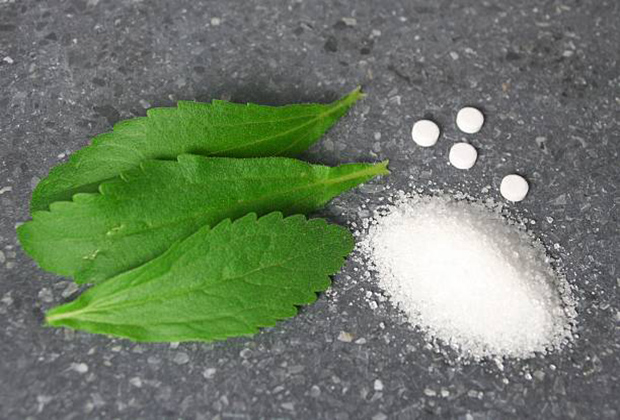
Saccharin has no calories and a zero glycemic index (GI). Saccharin is not absorbed and broken down by the body and has no effect on blood sugar levels. It is therefore considered as an important alternative to sugar to help fight diabetes and obesity. Saccharin is also heat resistant. Under conditions of increased heat, saccharin remains stable at a temperature of at least 250 ° C. Therefore, saccharin is commonly used in candies, cookies, some beverage formulations, as well as in mouthwashes, toothpastes, and as part of tablet coatings in medicines.
History
In 1878, two researchers, Konstantin Falberg (born in Russia, died in Germany) and Ira Ramsen, discovered an artificial sweetener that he called saccharin.
While they were investigating the oxidation of o-toluenesulfonamide, Falberg noticed a very sweet taste in his food and found that the candy remained on his hands and arms, even though he had washed his hands and arms thoroughly after leaving the laboratory.
Examining his laboratory apparatus through taste experiments, Falberg discovered the source of the sweet, saccharin. Saccharin was the first commercial artificial sweetener. It is still made by oxidation of o-toluenesulfonamide as well as phthalic anhydride.
With a sweetness level of about 300 times that of sugar, it is used as an additive in many food products. The Journal of the Chemical Industry Association notes that “the inventors called the new substance ‘saccharin’, although it does not belong to the class of sugars, but is a derivative of benzoic acid. That is why the scientific name of this substance is benzoylsulphimide.
The discovery was finally recorded directly in 1885, but the following year a British medical journal stated: “Saccharin is currently not available.”
But Falberg changed that view. As soon as Sakharin was patented, he began producing it in a factory in Germany, and although it was commercially successful, the real success of this product was due to two separate factors.
There was a shortage of sugar in World War I, and there was a strong need for such an alternative. Saccharin, on the other hand, is calorie-free, and since the 1960s, when health and diet continued to be highly regarded, saccharin has been the best answer.
What is saccharin used for?
Saccharin is a compound commonly used in sugar substitutes. It is used to sweeten products such as beverages, candies, cookies and medicines.
Saccharin is widely used in the diets of diabetics and others who should avoid sugar. It is also widely used in diet drinks and other low-calorie foods, and is useful in foods and medicines where the presence of sugar leads to spoilage.
The initial use of saccharin is as a calorie-free sweetener. Manufacturers may combine it with other sweeteners, such as aspartame, to counteract its bitter taste.
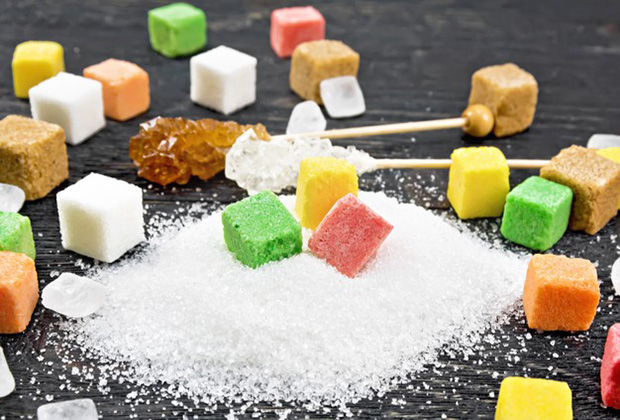
The Food and Drug Administration (FDA) has approved the use of saccharin as a sweetener in beverages, fruit juices, beverage-based ingredients, and blends, as a sugar substitute for cooking or in processed foods. they know.
They also authorize saccharin for the following, including:
- Food and drink
Saccharin is still present in the ingredients of many foods and beverages, including :
– Candy
– Jelly
– salad dressing
– Preserve the taste and physical properties of chewing gum
– Improving the flavor of bakery ingredients
If manufacturers use saccharin in beverages, the FDA limits the acceptable level to less than 12 mg (mg) per ounce of liquid. In processed foods, saccharin can not be more than 30 mg per serving.
- Medicinal
Saccharin is used to increase the flavor of chewable vitamin or mineral tablets as well as multivitamin tablets.
- Industry
Saccharin is used in industrial fields such as agriculture to produce pesticides and in the plating industry to plaster metals such as gold and nickel, as well as to give appearance to these metals.
- Other uses
Companies also use saccharin to make non-food items such as cosmetics, tobacco and chewing tobacco, pharmaceuticals and animal feed.
Properties
Saccharin is 200 to 700 times sweeter than sucrose, does not raise blood sugar levels, and, like the whole family of non-nutritive sweeteners, has no calories. However, especially at high concentrations, it has a bitter or metallic taste.
Saccharin is unstable when heated, but does not react chemically with other foods, making saccharin suitable for storage.
What are the health benefits of saccharin?
According to research conducted through a public survey, people use saccharin to have better overall health, have a controlled weight and attractive physical appearance.
Research has also shown that health experts believe that saccharin is especially beneficial for diabetics and obese people and also helps reduce cavities. Other benefits of saccharin include improved quality of life, low cost and stability at hot temperatures.
Does saccharin cause weight gain?
Consumption of artificial sweeteners does not seem to cause weight gain (at least in the short term)

In fact, replacing sugar with artificial sweeteners may be helpful in losing weight (at best).
Is saccharin safe?
Currently, the FDA, the World Health Organization (WHO) and the European Food Safety Authority (EFSA) agree that saccharin is safe and safe for human consumption.
Although the Food and Drug Administration (FDA) considers saccharin and aspartame safe, some consumer safety groups and health professionals disagree. According to the FDA, the acceptable daily intake of saccharin is 15 mg per kilogram of body weight.
One toxicological study found that saccharin was more likely to cause bladder cancer in mice fed high levels of sweeteners (for example, 5 to 7.5 percent of the diet). At the same time, epidemiological studies have not been able to show a link between human bladder cancer and the use of saccharin at normal levels, and this sweetener has been approved in most countries around the world in addition to foods.
Previously, there was disagreement about the use of saccharin. In 1981, the FDA classified the substance as a cancer agent for individuals and required companies to label products containing the substance to highlight the information. The results of a rat experiment in the 1970s that linked saccharin to bladder cancer formed the basis of the FDA’s decision.
But years and subsequent research did not find a reliable source and clear evidence of a link between saccharin consumption and cancer risk. In 2000, the FDA removed saccharin from its list of potential carcinogens and no longer required a warning label.
Physical and chemical properties
Insoluble saccharin is a white crystal that melts at 228.8 to 229.7 ° C (443.8 ° C to 445.5 ° F).
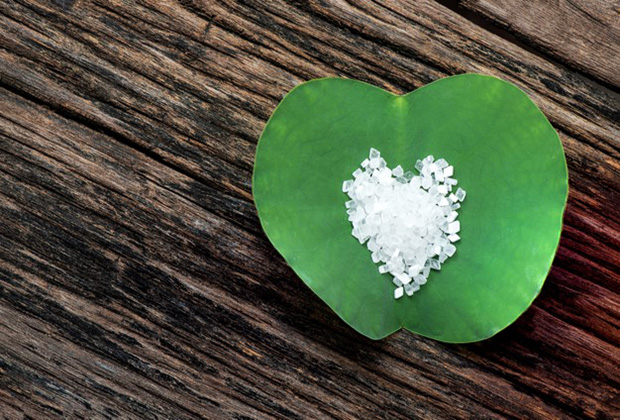
Sodium and calcium saccharines are white crystalline powders that are highly soluble in water. Saccharin is stable in the pH range between 2 and 7 and at a maximum temperature of 150 ° C (302 ° F). It has no caloric value and does not cause tooth decay. It is not metabolized by the body and is excreted unchanged.
Types of saccharin forms
- Acidic saccharin
- Saccharin sodium
- Calcium saccharin
Saccharin is most popular in artificial sweeteners, although some people know it has a bitter, metallic taste.
Related article :
