

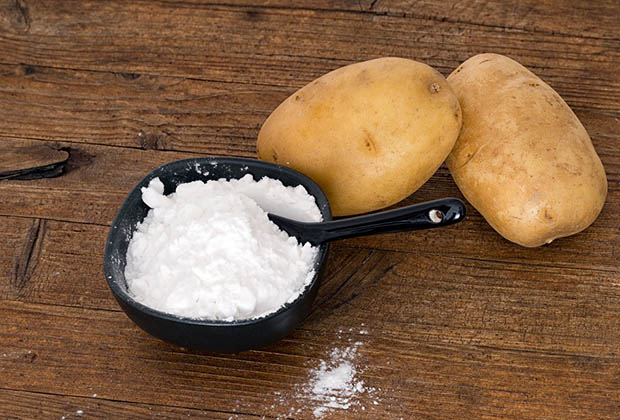
The function of maltodextrin in food industry includes a wide range of applications. Maltodextrin is found in almost every food group, from milk powder to coffee creamers. It is created using corn starch slurry as a raw material, but it can also be produced with potatoes, oats, tapioca, wheat and rice.
Alpha amylase and acids can be used to hydrolyze the slurry into glucose D units. Starch hydrolysis yields maltodextrin in a range of approximately 2 to 20 DE, compared to dextrose at 100 DE, to a dextrose equivalent (DE = sweetness level). Higher DE means more extensive hydrolysis has occurred.
While liquid maltodextrin solutions can be found, most maltodextrins are produced in dried form, which may be complexed to affect the performance of the ingredient.
Since maltodextrin has few reducing sugars, it causes the Maillard reaction to brown. With the help of maltodextrin, the formation of ice crystals has been inhibited and it prevents the formation of granular texture in frozen products. Also, its mild flavor makes it compatible in most food storage conditions.
Here are five examples of the performance of maltodextrin in the use and preservation of food:
Bulking agent
Due to its low density, maltodextrin is often used as a filler or bulking agent along with high-intensity sweeteners, especially in packaged sweeteners available to consumers in restaurants and coffee shops.
In this application, maltodextrin also acts as an anti-caking agent. It is used as a diluent in some packaged spice mixes, such as those added to meat or chili.
Viscosity management
Another function of maltodextrin is that it can be used as a carbohydrate-based fat substitute. Its action creates a smooth and heat-resistant gel by interacting with the water in the formulation.
This gel can mimic the texture and cream-like feeling created in the mouth after consuming fats and increase the viscosity of an unprocessed product and add mouthfeel (the feeling created by the texture of food in the mouth) to the final products.
In this way, maltodextrin can be used in a wide range of products, from baked goods (EU), salad dressings (EU) and dips (EU) to frozen desserts as well as sausages.
This substance can help stabilize ice cream and frozen yogurt by controlling the melting characteristic and increasing the freezing temperature.
Stabilizer and carrier
Maltodextrin can be used in pill making and in pharmaceutical compounds. Fruit and vegetable juice concentrates can be spray-dried from maltodextrin to create powder forms.
In molecular research, oils are often mixed with maltodextrin to create powdered versions without additional flavorings. Experiments have been conducted to create powdered versions of alcohol, as reported in Chemistry and Engineering News in 2014.
The cover
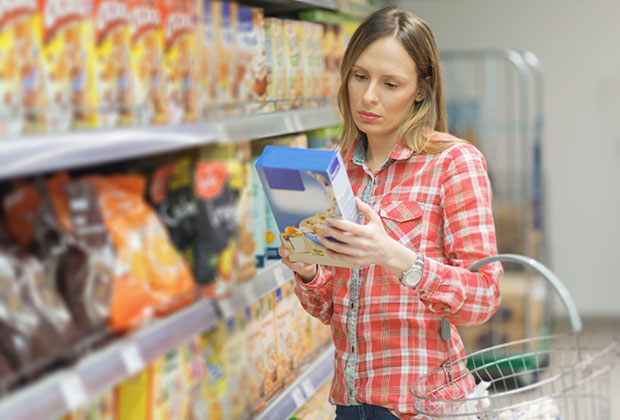
Coating low-fat extruded snacks, such as pastries or cereals, with syrup and maltodextrin can create a glossy, crunchy surface. When maltodextrin is added to candy coatings, it helps strengthen the hardness of watery ingredients so that the coatings dry faster.
Sweetener
Maltodextrin has a low level of sweetness. Maltodextrin can be used to replace other bulking agents to reduce sweetness in products if added sweetness is expected to affect product taste.
Maltodextrin Price
To buy maltodextrin or to know the price of maltodextrin, contact the experts of the collection through our contact us page.
