
The inorganic compound ammonium bicarbonate is a colorless solid salt that can be easily decomposed into carbon dioxide, water and ammonia and is added as an additive to increase the quality of the final product.
It is widely used in foods such as beverages, sweets, flat biscuits and cookies, fire-resistant products, pharmaceutical and agricultural industries and other industries.
Here are some important points about this functional buffer:
What is ammonium bicarbonate used for?
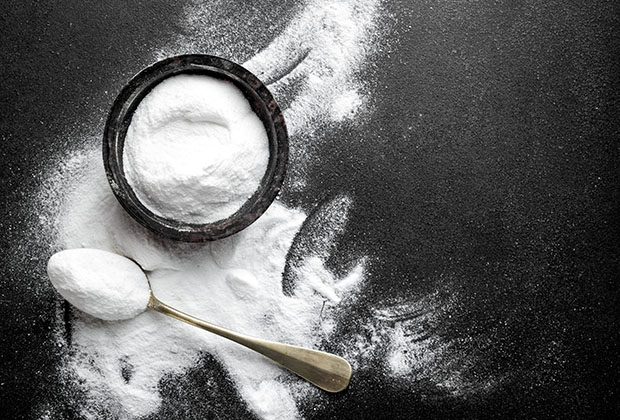
Ammonium bicarbonate is a white powdery or crystalline (sand-like) substance with an ammonia odor. It is used in cooking, fire extinguishers, paint making and other items.
Is ammonium bicarbonate unsafe?
Ammonium bicarbonate is safe. But it stimulates the skin, eyes and respiratory system. Short-term health effects may occur immediately or shortly after exposure to high ammonium bicarbonate. Inhalation of ammonium bicarbonate can irritate the nose, throat and lungs, causing coughing, wheezing or shortness of breath.
Is ammonia bicarbonate baking soda?
Ammonia bicarbonate is a kneading agent, the same as baking powder and old baking soda. It is originally made of deer antler and is one of the ancestors of modern powders. Northern Europeans still use it because it makes their doogh and gingerbread cookies very light and crunchy.
What is the difference between sodium bicarbonate and ammonium bicarbonate?
Unlike sodium bicarbonate, which leaves residues of alkaline sodium carbonate, ammonium bicarbonate leaves no residue due to thermal decomposition. Therefore, it has no effect on the pH of the cooked product. For this reason, ammonium bicarbonate is only used in low-moisture products such as crackers.
Are ammonium products safe to eat?
Compounds such as ammonium bicarbonate, ammonium hydroxide, ammonium phosphate and ammonium chloride are considered safe in small amounts. In 1974, the US Food and Drug Administration recognized ammonium hydroxide status as GRAS or as safe in general.
Why does baking soda smell like ammonia?
Baking soda behaves like acid and probably contains small amounts of sodium ammonium carbonate. If you mix baking soda with ammonium salt and add some water to it, you will produce ammonia.
What can you use instead of baking ammonia?
If you can’t find baker’s ammonia, you can always use baking soda instead. As baking ammonia is slightly stronger than baking soda, just add 25% more baking soda to the recipe. This means that for one teaspoon of baker’s ammonia, you will need one ¼ teaspoon of baking soda.
What happens if you mix ammonia and baking soda?
Like baking soda, cooking ammonia reacts when mixed with acid and liquid. But this time, due to the release of carbon dioxide, ammonium carbonate releases ammonia. Usually the use of ammonium carbonate and sodium bicarbonate (baking soda) together will not have any significant effect.
Why is ammonia used in cooking?
Cooking ammonia is a mixer that is needed in many old recipes. Baker ammonia is used to make very crunchy cookies or crackers. Unlike baking powder or baking soda, baked goods do not leave an alkaline flavor.
Is soda bicarbonate like tartar cream?
Yes, this is because baking powder is made up of sodium bicarbonate and tartaric acid, also known as baking soda and cream of tartar, respectively. In short, baking powder can be used to replace tartar cream in recipes that also contain baking soda.
Is Ammonium bicarbonate safe in food?
Yes, ammonium bicarbonate is considered safe, according to the FDA.
Is ammonia the same as ammonium bicarbonate?
Baker ammonia, also known as ammonium bicarbonate (and often sold as ammonium bicarbonate), was the main ingredient in the dough used by bakers before the advent of baking powder and baking soda in the 19th century.

Is ammonia used in biscuits?
Ammonium bicarbonate is an alkaline chemical process agent used in the cooking industry. This is a commonly used alternative to baking soda and baking powder. Typically, ammonium bicarbonate results in unique brittleness and light texture in baked goods.
What foods increase ammonia levels?
Ammonia levels increase with increasing protein intake in the diet and decreased liver function. Increasing protein intake from high-protein diets raises ammonia levels by approximately 59%.
Why does my almond bread smell like ammonia?
To prevent the smell of ammonium bicarbonate or baking soda, it is best to separate the eggs and add the egg whites 1 to 2 minutes after adding the baking soda. The product of the reaction between ammonium bicarbonate or baking soda with the proteins in egg whites can produce an ammonia odor.
How do you replace ammonium bicarbonate?
If ammonium bicarbonate is not available, baking powder can be substituted in a 1: 1, 1: 2 or 1: 3 ratio. You can also add some baking soda with baking powder.
Why is ammonium bicarbonate called a detergent?
Baking agent is a substance that causes gases to expand by emitting gases in such mixtures, producing cooked products with a porous or porous structure. These include air, steam, yeast, baking powder and baking soda.
Can you use baking powder instead of baking soda?
It is known to technicians that soda bicarbonate, sodium bicarbonate and baking soda are one (NaHCO3). So, yes, you can substitute baking powder for baking soda, sodium bicarbonate and baking soda, but keep in mind that you need more baking powder than baking soda to affect the taste of the food.
Is ammonium bicarbonate useful for gastric acid reflux?
Doctors often believe that ammonium bicarbonate is effective in relieving acid reflux. Due to its alkaline pH, it helps to neutralize the acidity of your stomach and works in a very similar way to many antacids.
Related Articles :
