
New research at Ohio State University claims that saccharin does not cause diabetes, addressing concerns that the sweetener may be doing more harm than good and therefore, there is no direct connection between saccharin and diabetes.
For those trying to live a healthy lifestyle, the choice between sugar and artificial sweeteners like saccharin can be confusing.
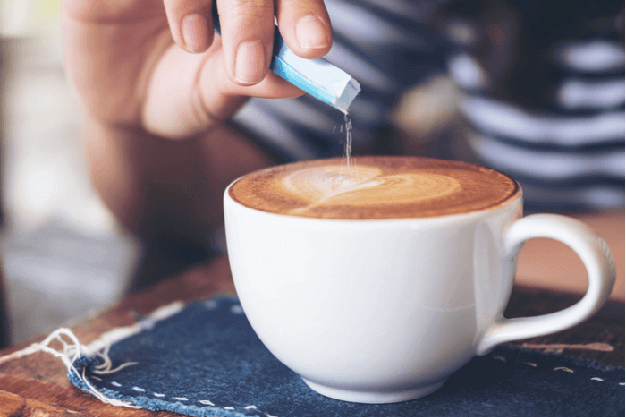
A new study conducted by researchers at The Ohio State University Wexner Medical Center and The Ohio State University College of Medicine found that sodium saccharin, when used as a sugar substitute, does not lead to diabetes in healthy adults, as previous studies have shown. The findings of this study have been published in the Microbiome journal.
“It’s not that the findings of previous studies are wrong, they just didn’t adequately control for things like health conditions, dietary choices and lifestyle habits,” said George Kyriazis, assistant professor of biological chemistry and pharmacology at Ohio State and senior author.
“By studying the artificial sweetener saccharin in healthy adults, we isolated its effects and found no changes in the participants’ gut microbiome or metabolic profile, as previously reported,” he continues.
Kyriasis collaborated with researchers from Ohio State’s College of Food, Agricultural and Environmental Sciences, Ohio State’s College of Arts and Sciences, the Sanford Burnham Prebis Institute for Medical Discovery in California, and the Metabolism and Diabetes Translational Research Institute at Advent-Health in Florida.
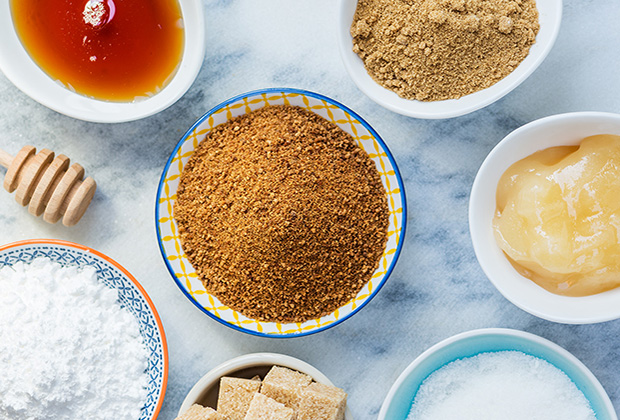
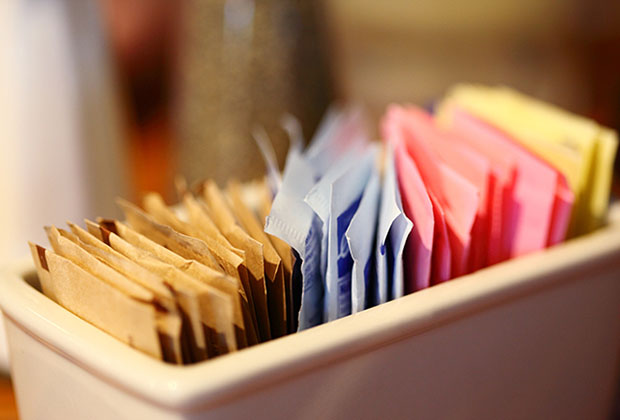
Non-caloric artificial sweeteners are often used as a substitute for dietary sugars, and saccharin is one of six artificial sweeteners approved by the US Food and Drug Administration (FDA).
The authors of the study noted that the use of artificial sweeteners has increased dramatically over the past decade due to growing awareness of the negative health consequences associated with excessive sugar consumption.
Previous studies elsewhere have shown that consumption of artificial sweeteners is associated with metabolic syndrome, weight gain, obesity, and nonalcoholic fatty liver disease.
“These findings have raised concerns that their use may lead to adverse public health outcomes, and the lack of well-controlled interventional studies has contributed to this confusion,” said study author Joan Serrano, a researcher in the Department of Biological Chemistry and Pharmacology at Ohio State University.”
A total of 46 healthy adults aged 18 to 45 years with a body mass index of 25 or less completed this randomized, double-blind, placebo-controlled study. (A double-blind test is a study of the effects of a special drug, so that the person being tested and the experimenter do not know that the substance used is the active drug)
Participants took capsules containing the maximum acceptable daily amount of sodium saccharin or lactisol (a sweet taste inhibitor), or saccharin with lactisol or a placebo, every day for two weeks.
(Placebo: something apparently similar to medicine without any real effect is said, which is usually given to people to make them think they are taking medicine).
The maximum acceptable daily amount of saccharin is 400 mg per day, which is much more than the normal consumption of the consumer.
The study excluded subjects with acute or chronic medical conditions or taking medications that could potentially affect metabolic function (eg, diabetes, bariatric surgery, inflammatory bowel disease), or a history of malabsorption, and who were pregnant or lactating.

The researchers also tested the effects of higher doses of sodium saccharin for 10 weeks in mice genetically lacking sweet taste receptors, and finally reached the following results:
“The artificial sweetener did not affect glucose tolerance or cause any significant changes in gut microbiota or apparent adverse health effects.”
“Sugar, on the other hand, contributes well to obesity, heart disease, and diabetes, so versus sugar, artificial sweeteners like saccharin are the clear winners based on all the scientific information we have right now,” Kyriasis says.
In future research, the research team says, they will study each FDA-approved sweetener individually to see if there are differences in how they are metabolized. Researchers will study these ingredients over a longer period of time to make sure they are safe for daily use.
Related Articles
Saccharin Price
To buy saccharin or to know the price of saccharin, contact the experts of the collection through our contact us page.
