
As mentioned earlier, citric acid is a natural fruit acid that is produced by fermentation. Citric acid is the most widely used organic acid and pH control agent in foods, beverages, drugs and technical applications.
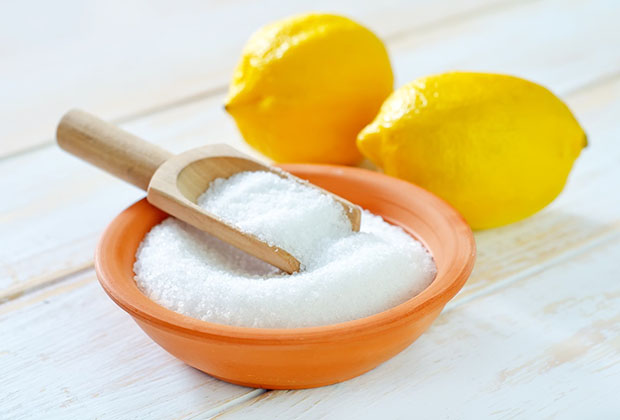
Citrate or citric acid is often used to regulate pH, add a sour taste to foods and beverages, and form mineral and metal salt derivatives for medicines.
Related article:
Here are the most important and controversial questions about anhydrous citric acid :
What is anhydrous citric acid used for?
Anhydrous citric acid is a tricarboxylic acid found in citrus fruits. Citric acid is used in pharmacy as an adjunct due to its antioxidant properties. This material maintains the stability of the active ingredients and is used as a preservative.
Is citric acid anhydrous harmful to you?
No, citric acid without water is non-toxic and has little reactivity.
Is all citric acid anhydrous?
No, citric acid is an organic compound. It is usually seen as a white solid, a weak organic acid found naturally in citrus fruits, both anhydrous and monohydrate.
What is the difference between citric acid and anhydrous citric acid?
Citric acid is available in both anhydrous and monohydrate forms. The difference between anhydrous and monohydrate citric acid is that anhydrous citric acid lacks crystallization water, while citric acid monohydrate has a water molecule associated with a citric acid molecule.
What should you not mix with citric acid?
Antacids containing aluminum or sodium can interfere with citric acid and sodium citrate and cause electrolyte imbalance or aluminum toxicity. Avoid foods that are high in salt or use extra salt in your meals.
Is citric acid the same as ascorbic acid?
Citric acid and ascorbic acid are two types of acids that are used for two different functions. While both are acids, they are not the same. Citric acid is more acidic than ascorbic acid. Therefore, citric acid is recommended when canning tomatoes to lower pH or increase acidity.
Citric acid is the most common preservative because it is cheaper and readily available in large commercial quantities. Citric acid is more sour than ascorbic acid. Citric acid lowers the pH of foods and beverages, which helps prevent the growth of germs and bacteria.
What can citric acid be used for?
Citric acid is used in the following cases:
- Food industry (Citric acid is often added to packaged foods and beverages. Citric acid can also balance the acid in food or beverages)
- Medicines
- Supplements
- Personal care products
- Home cleaning products
- Antiseptics
- Environmental cleaning products
Is citric acid a weak acid?
Yes, citric acid is a weak organic acid found in citrus fruits. It is a natural preservative and is also used to add an acidic (sour) taste to foods and beverages.
Is citric acid a sugar?
The sugars used for citric acid can be derived from sugar cane, corn or wheat. In the United States, citric acid is often derived from corn because it is a cheap, subsidized crop. In South America, sugarcane is used because of its low sugar price, while in Europe, wheat sweeteners are commonly used.
Why is citric acid tribasic?
Tribasic acid is an acid that has three hydrogen ions to be donated in the acid-base reaction. Thus, a tribasic molecule has three exchangeable hydrogen atoms. Phosphoric acid and citric acid are examples of tribasic acids.
How do you neutralize citric acid anhydrous ?
You can use a strong base such as NaOH (sodium hydroxide) to neutralize citric acid. If you do not have access to NaOH, something like sodium bicarbonate (baking soda) also neutralizes citric acid well.
How much citric acid is in a lemon?
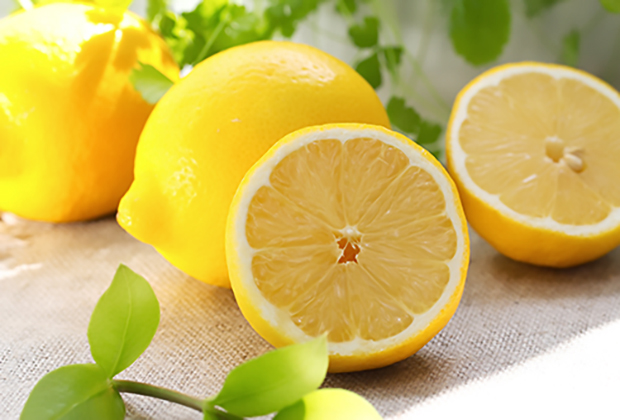
Lemon juice is a rich source of citric acid, which contains 1.44 grams per ounce of acid, respectively. The amount of citric acid in lemonade and other fruit juice products on the market is very different and varies from 0.03 to 0.22 grams per ounce.
What are the side effects of citric acid?
Serious side effects of citric acid, potassium citrate, and sodium citrate include numbness or burning sensation, swelling or rapid weight gain, muscle cramps, rapid or slow heartbeat, dizziness, mood swings, bloody or black stools, severe stomach pain, persistent diarrhea and seizures.
Can you add citric acid to drinks?
If you add citric acid to existing commercial beverages, the drink will taste more refreshing. When you put citric acid in distilled syrups or whiskey and mix well, you can enjoy tasty alcohol with citric acid acidity.
Does citric acid lighten the skin?

Citric acid can be applied to the skin as a mask, scrub, toner or exfoliator. Acid topical treatments can lighten the skin, shrink pores, treat mild acne, and correct dark spots and fine lines. Common fruit acids include malic acid from apples, tartaric acid from grapes, and citric acid from citrus fruits.
Is citric acid harmful to your teeth?
Foods and beverages containing citric acid erode tooth enamel in a process called demineralization. In bad cases of demineralization, the acid enters the soft layer beneath the enamel, called dentin. In advanced cases, these cases lead to tooth sensitivity and pain.
Is citric acid a natural preservative?
Simply put, citric acid serves as a preservative in the food and beverage industries. The natural acid in fruits such as lemons acts organically as a preservative. Its high acidity makes it difficult for bacteria or any substance that adversely affects food to survive.
Is citric acid used for cleaning?
Yes, since citric acid kills bacteria, some fungi and molds, it is great for regular disinfection and cleaning. It is also effective in removing soap scum, hard water stains, calcium deposits, lime and rust. It also acts as a preservative in many cleaning solutions.
To buy anhydrous citric acid or to know the price of anhydrous citric acid, contact the experts of the collection through our contact us page.
Related Articles:
