
What is anhydrous citric Acid?
Anhydrous citric acid has the chemical name of citric acid and its appearance is a white, odorless and colorless powder. Anhydrous means that the substance is waterless and anhydrous and granulated. Citric acid is found naturally in plants and animals.
Citric acid is a natural fruit acid that is commercially produced through the microbial fermentation of a layer of carbohydrates. Citric acid is the most widely used organic acid and pH control agent in foods, beverages, drugs and technical applications. It is toxic to plants and should not be used in valuable plant life. Citric acid as a weak organic acid is mainly used in the food and beverage industries as a sour, flavoring and preservative. It is also used as an antioxidant, emollient and detergent in the chemical, cosmetic and laundry industries.
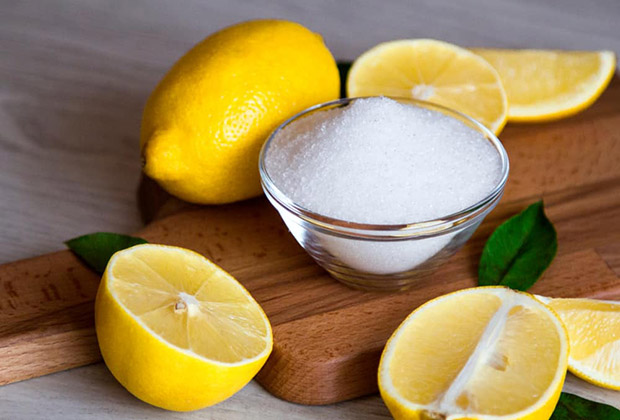
Anhydrous citric acid is non-toxic. It is chemically stable if stored at room temperature. Stability tests have shown that anhydrous citric acid is chemically stable for at least five years in tightly closed containers under proper storage conditions. The main basis of citric acid, citrate, is a component of the Krebs cycle and occurs naturally during metabolism in all living organisms. It is found naturally in citrus fruits such as lemons and lemons and is used as a natural preservative.
Citrate or citric acid is often used to regulate pH, add a sour taste to foods and beverages, and to form mineral and metal salt derivatives for medicines. Like potassium citrate, it is a dietary supplement. Citrate salts, including citric acid, are commonly known to be safe when used in natural amounts, according to the FDA Selection Committee on Food Safety (GRAS).
What does the word anhydrous in anhydrous citric acid mean?
That is, free of water and especially crystallized water.
Physical and chemical properties
Anhydrous citric acid was first isolated from lemon juice in 1784 by Swedish chemist Carl Wilhelm Scheele.
A colorless, crystalline organic compound belonging to the carboxylic acid family is present in almost all plants and in many animal tissues and fluids. It is one of the compounds involved in the physiological oxidation of fats, proteins and carbohydrates to carbon dioxide and water.
Citric acid is produced by fermenting sugarcane or sugar syrup in the presence of Aspergillus niger. It is used in sweets and non-alcoholic beverages (as a flavoring agent), in metal-cleaning compounds, and in improving the stability of food and other organic matter (by suppressing the harmful function of soluble metal salts).
Anhydrous citric acid appears as colorless crystals or as a white crystalline powder with a completely acidic taste. It is highly soluble in water, soluble in free ethanol (96%) and slightly soluble in ether.
Citric acid has little reactivity. If stored at room temperature, it is chemically stable. Anhydrous citric acid is completely biodegradable (substances that are naturally degradable in the environment, especially by microorganisms, are called biodegradable materials)
Citric acid is a natural fruit acid that is commercially produced by microbial fermentation of a carbohydrate substrate. Citric acid is the most widely used organic acid and pH controller in foods, beverages, drugs and technical applications.
Chemical properties
Formula: C6H8O7
Formula weight : 192.13
Form: crystalline
Melting point: 154-153
Degree of density: 1.665
Storage and sensitivity: hygroscopic. environment temperature
Solubility: Highly soluble in water, soluble freely in ethanol (96%) and slightly soluble in ether.
Properties of anhydrous citric acid
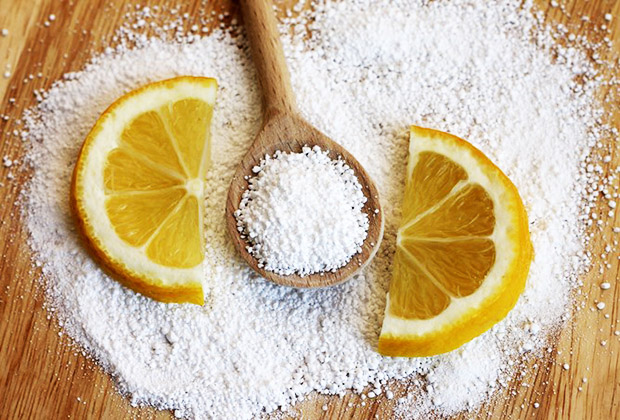
- Anhydrous and waterless
- Colorless or white
- Crystal and crystalline or crystalline powder
- Fully acidic (pH in 5% solution approximately 1.8)
- Normally odorless
- Highly soluble in water
- Free solution in ethanol (96%)
- It is slightly soluble in ether
- Non-toxic
- Low reactivity
- Chemically and microbiologically stable
- Completely biodegradable
The main functions of anhydrous citric acid
- PH regulator
- Acidifier
- Chelating agent
- Buffer factor
- Flavor enhancerSlower
- Stabilizer
- Antioxidants
What is anhydrous citric acid used for?
Anhydrous citric acid is a tricarboxylic acid found in citrus fruits. Citric acid is used as an adjunct in the preparation of medicines due to its antioxidant properties. Maintains the stability of the active elements and is used as a preservative.
Citric acid is the most widely used organic acid and pH control agent in foods, beverages, drugs and technical applications. Used in medicinal preparations, especially in effervescent tablets. Used as a natural preservative.
Pharmaceutical applications
- Acidifying agent
- Buffer factor
- Chelating agent
- Decomposer tablets
- Industrial applications
- Glue, seal
- Crop chemicals and fertilizers
- Construction
- Delicate chemicals
- Ink, paint and coating
- Metal surface processing and modification
- Oil drilling
- Ore extraction and refining
- Paper
- Plastics and polymers
- Fabric and leather
Drinks

- Alcoholic drinks
- Carbonated drinks
- Juicy drinks
- Herbal drinks
- RTD tea and coffee
- Sports and energy drinks
- Water
Food
- Baby food and infant formulations
- Bakery
- Cereals and snacks
- Confectionery
- Dairy
- Dairy substitutes
- Desserts and ice cream
- Flavors
- Prepare fruits and sweet drinks
- Fruits and vegetables
- Meat substitutes
- Meat and seafood
- Herbal products
- Ready meals and fast food
- Sauces and spices
- Health Cares
- Nutritional care
- Medical Equipment
- OTC and dietary supplements
- pharmaceutical products
Personal care

- Colored cosmetics
- Fragrances
- Perfumes
- Hair care
- Oral Health
- Skin care
- Soap and bath products
Cleaners and detergents
- Dishwasher
- Industrial cleaners
- Laundry care
- Take care of the levels
Pet food
- Animal feed
- Pet food
Is anhydrous citric acid safe?
In Europe, anhydrous citric acid is generally listed as a food additive (E330) and can be added to all foods. According to the principle of “quantum satis”, it can be used as long as no specific law restricts or prohibits its use.
The US Food and Drug Administration (FDA) has approved citric acid as GRAS (generally known as safe) and approved its use in food in accordance with current GMP (CFR § 184.1033).
Related articles :
