Blog
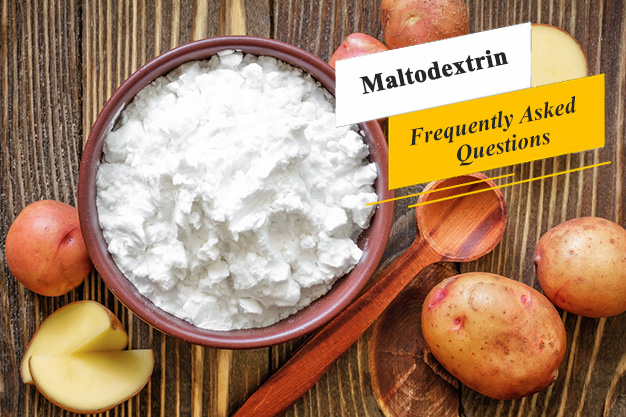
We mentioned earlier that maltodextrin is each of the various carbohydrates resulting from the relative hydrolysis of starch. Maltodextrin can be obtained from any starchy food, including corn, potatoes, wheat, tapioca or rice. It may not have a high nutritional...
Blog
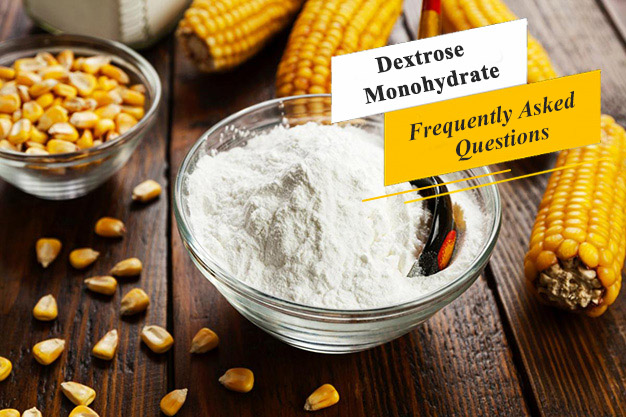
Dextrose monohydrate, which is a type of glucose, is the result of the hydrolysis of simple cornstarch and sugar and is often used in foods as an artificial sweetener. Dextrose is one of the most efficient sources of energy for the body, because unlike...
Blog
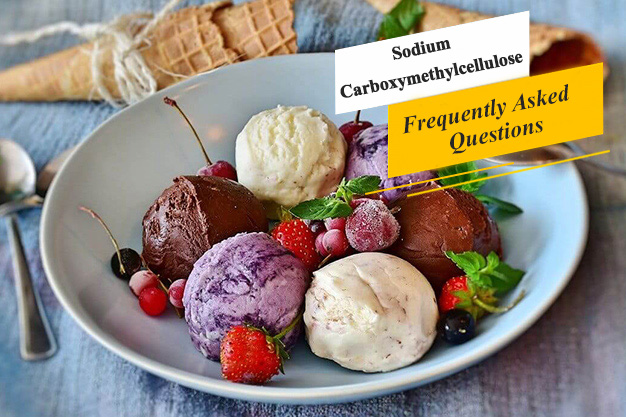
Sodium carboxymethylcellulose (CMC) is a harmless bulking agent used to increase the concentration in the tissue of food products. This powder is a water-absorbing powder and can be compatible with the environment by its degradability. Sodium...
Blog
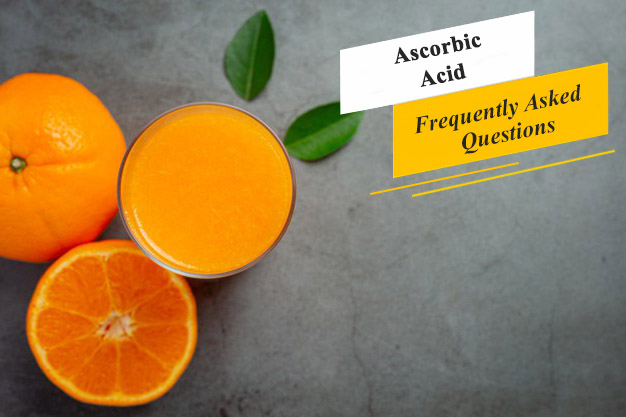
Ascorbic acid (vitamin C), which is a white or crystalline yellow powder, is a water-soluble vitamin. An excellent compound used as an oxidant and reducing agent. Ascorbic acid is found in leafy vegetables, citrus fruits, broccoli, raw bell peppers,...

Blog
As mentioned earlier, saccharin is a high-intensity, artificial sweetener that is more than 300 times sweeter than sugar. Saccharin has no calories and has no effect on blood sugar levels. Given the sensitivity of many people to the potential benefits and side...