
Blog

Replacement with maltodextrin, the way to get rid of fats
Adding maltodextrin to high-calorie foods may reduce fat by up to 50 percent, without altering important properties such as strength, researchers say. This study tested the ability of maltodextrin hydrated gel particles to replace fat as part of a vegetable oil compound.

Interesting and practical tips about ammonia
In the presence of water and heat, ammonium bicarbonate decomposes into ammonia, carbon dioxide and water. One of the constituents of ammonium bicarbonate is ammonia. A very practical material that in addition to widespread use in various industries, has many home applications.

Ascorbic Acid; the miracle of skin freshness
Ascorbic acid or vitamin C is a real myth in the world of skin care. In fact, some say that this sacred cup has appeared for human skin, and there are good reasons for this interesting claim. This anti-inflammatory and antioxidant nutrient is incredibly effective in improving skin color and texture.

Why does a big company like Crest use saccharin in toothpaste
Saccharin is used in personal care products such as toothpaste as a sweetening agent, and despite its sweetening, it does not cause tooth decay. You can find this additive in the products of big companies like Crest, with better taste performance without creating any dental cavities.

Therapeutic potential of ascorbic acid to overcome cancer
Ascorbic acid can helps keep our skin, hair and bones healthy and has therapeutic potential to overcome cancer. Most fruits and vegetables contain ascorbic acid, and its medicinal form helps treat those who are deficient in vitamin C, scurvy, delayed wound healing, and bone healing.
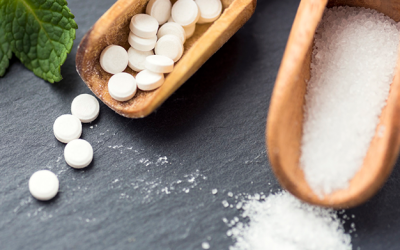
The difference between sodium saccharin and sugar
In addition to carbonated diet drinks, saccharin is used to sweeten low-calorie candies, jams, jellies and cookies. This valuable substance is also used in many medicines. Saccharin can be used like table sugar to sprinkle on food or as a substitute for sugar in coffee or during cooking.

Aspartame; a sweetener that is two hundred times sweeter than sugar
Aspartame is a synthetic non-saccharide sweetener that is 200 times sweeter than sucrose and is commonly used as a sugar substitute in foods and beverages. This substance is one of the most popular artificial sweeteners on the market. Aspartame was first developed in 1965.

Xanthan Gum; a thickener with the ability to prevent food texture change
Xanthan gum is a food thickener made from bacteria. It is found in a wide variety of foods as well as products such as toothpaste. Although it may offer good health benefits, it is used primarily to change the texture of food and then for other medical and health needs.
Trisodium Citrate; frequently asked questions
Trisodium citrate, sometimes referred to simply as “sodium citrate”, is often used as a food preservative and as a flavoring and used in the pharmaceutical industry to control pH and may also be used as an alkaline, buffer, emulsifier or separating agent.
Citric Acid Monohydrate; frequently asked questions
Citric acid monohydrate is a special type of citric acid that combines a molecule of water with a molecule of citric acid. Citric acid monohydrate is a colorless or white crystalline powder and has wide applications in food, medical, chemical, health and other industries.
Anhydrous Citric Acid; frequently asked questions
As mentioned earlier, citric acid is a natural fruit acid that is produced by fermentation. Citric acid is the most widely used organic acid and pH control agent in foods, beverages, drugs and technical applications. Citric acid is available in both anhydrous and monohydrate forms.
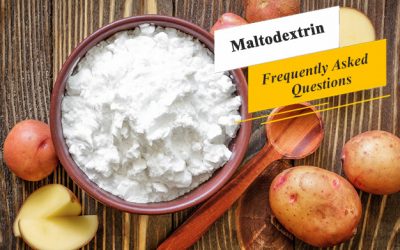
Maltodextrin; frequently asked questions
Maltodextrin is each of the various carbohydrates resulting from the relative hydrolysis of starch and can be obtained from starchy food, including potatoes or corn. it may not have a high nutritional value, but it is very easy to digest carbohydrates and can provide energy quickly.
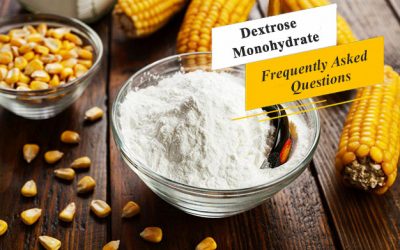
Dextrose Monohydrate; frequently asked questions
Dextrose monohydrate, which is a type of glucose, is often used in foods as an artificial sweetener. Dextrose is one of the most efficient sources of energy for the body, because unlike other simple sugars, dextrose can be absorbed directly into the bloodstream to raise blood sugar levels.
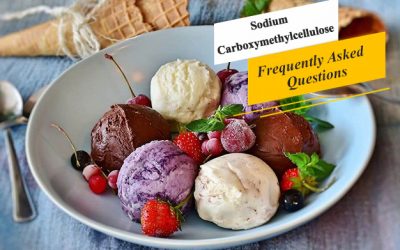
Sodium Carboxymethylcellulose; frequently asked questions
Sodium carboxymethylcellulose is a harmless bulking agent used to increase the concentration in the tissue of food products. This is a water-absorbing powder and can be compatible with the environment by its degradability. It is widely used in the food additives and pharmaceutical industries.
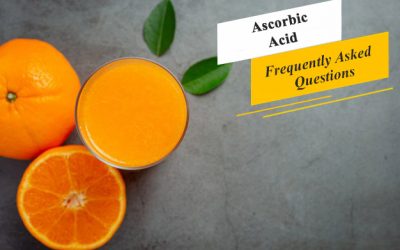
Ascorbic Acid; frequently asked questions
Ascorbic acid is found in leafy vegetables, citrus fruits, broccoli, strawberries, kiwis, potatoes and tomatoes and more. This substance is used in treatment and especially to prevent colds and is a good protection for the skin against the sun. It is also useful in the treatment of Alzheimer’s.
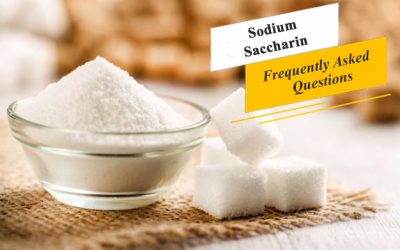
Sodium Saccharin; frequently asked questions
As mentioned earlier, saccharin is a high-intensity, artificial sweetener that is more than 300 times sweeter than sugar. Saccharin has no calories and has no effect on blood sugar levels. Here are some of the most controversial questions about this valuable sugar substitute.

Ammonium Bicarbonate; frequently asked questions
Ammonium bicarbonate is a colorless solid salt that is added as an additive to increase the quality of the final product. It is widely used in foods such as beverages, sweets, flat biscuits and cookies, fire-resistant products, pharmaceutical and agricultural industries and other industries.
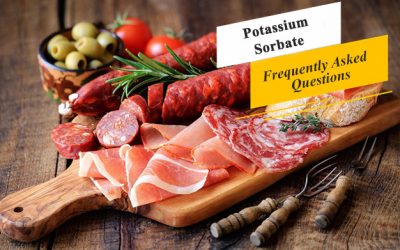
Potassium Sorbate; frequently asked questions
Potassium sorbate powder is one of the best known food preservatives. This white powder easily absorbs water and fights bacteria with its anti-mold properties. Here we are going to answer some important points as well as questions that users have had about this valuable powder.
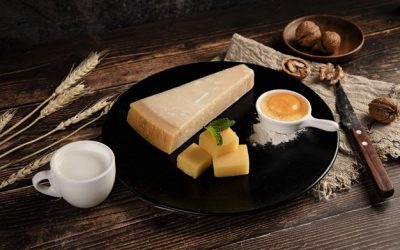
Trisodium Citrate; pH controller and strong retainer
Trisodium citrate is a triple salt of citric acid that is widely used in food, beverages and in industry as a buffering, separating or emulsifying agent. Trisodium citrate has a sour and salty taste and is used in the food industry as a preservative and in medicine as an important anticoagulant.
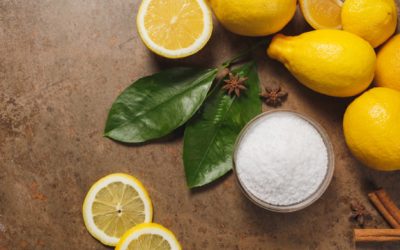
Monohydrate citric acid; strong antioxidant and excellent flavoring
Monohydrate or hydrated citric acid is a tricarboxylic acid found in citrus fruits. Citric acid is used as an adjuvant in pharmaceutical products due to its antioxidant properties. Monohydrate citric acid is one of the most popular additives and foods in most countries.