
Monohydrate or hydrated citric acid is a tricarboxylic acid found in citrus fruits. Citric acid is used as an adjuvant in pharmaceutical products due to its antioxidant properties. Maintains the stability of the active ingredients and is used as a preservative. Monohydrate citric acid is an organic molecular nature.

Monohydrate citric acid is one of the most popular additives and foods in most countries.
History
Citric acid was first extracted from lemon juice in 1784 by a Swedish researcher. The odorless, colorless compound was made from lemon juice in the early 1900s, and researchers found that it could also be made from the black mold Aspergillus niger, which produces citric acid when saturated with sugar.
Due to its acidic and sour taste, citric acid is mainly used as a flavoring and preservative – especially in beverages and candies. It is also used to stabilize or maintain drugs and as a disinfectant against viruses and bacteria.
What is the difference between monohydrate citric acid and anhydrous citric acid?
Citric acid can be obtained as an anhydrous (water-free) form or as a monohydrate. The anhydrous form crystallizes from hot water, while the monohydrate forms when citric acid is crystallized from cold water.
Citric acid exists in two forms as anhydrous form and monohydrated form. The difference between anhydrous and monohydrate citric acid is that the anhydrous citric acid has no water of crystallization whereas the monohydrate citric acid has a water molecule associated with one citric acid molecule.
Is monohydrate citric acid edible?
Citric acid is found naturally in citrus fruits, but synthetic copies – made from mold – are often added to foods, medicines, supplements and cleansers. Mold residues from the manufacturing process may, in rare cases, cause allergies, but citric acid is generally considered safe.
Specifications
- Monohydrates
- Colorless or white
- Crystalline and crystalline or crystalline powder
- Completely acidic (pH in 5% solution approximately 1.8)
- Normally virtually odorless
- Highly soluble in water
- Free solution in ethanol (96%)
- Slightly soluble in ether
- Non-toxic
- Low reactivity
- Chemically and microbiologically stable
- Completely biodegradable
Main functions
- pH regulator
- Acidifier
- Chelating agent
- Buffer factor
- Flavor enhancer
- Slower
- Stabilizer
- Antioxidants

Citric acid is a weak organic acid. It is a natural preservative and is also used to add an acidic or sour taste to foods and beverages. In biochemistry, the conjugate base of citric acid, citrate, acts as an intermediary in the citric acid cycle and is extremely important and therefore occurs in the metabolism of almost all living organisms.
Citric acid is a compound originally obtained from lemon juice. But today it is produced from a special type of mold and is used in various applications.
It is a colorless or white crystalline powder and is mainly used as an acid preservative, flavoring and preservative in foods and beverages. It is also used as an antioxidant, emollient and cleanser. Mainly used in food and beverages as a sour flavoring and antiseptic agent.
Main usages
In the food industry, monohydrate citric acid is used in beverages as a sour flavoring. This acid can be used mainly in a variety of cold drinks and for the production of foods such as candy, biscuits, jams, fruit juices, etc. as well as as an antioxidant oil.
In the medical industry, monohydrate citric acid is the raw material for many drugs, such as piperazine citric acid (lombroc), ammonium ferric citrate (blood booster), and sodium citrate (a blood transfusion drug). In addition, citric acid is used as an acidifier in many medicines.
In the chemical industry, citric acid can be used as acidity regulators to make food packaging plastics.
On the other hand, its application is used in industry and domestic detergents, as an auxiliary for making detergents and in concrete as a deterrent. Also widely used in plating, leather industry, printing ink, printing industry and so on.
Natural food sources
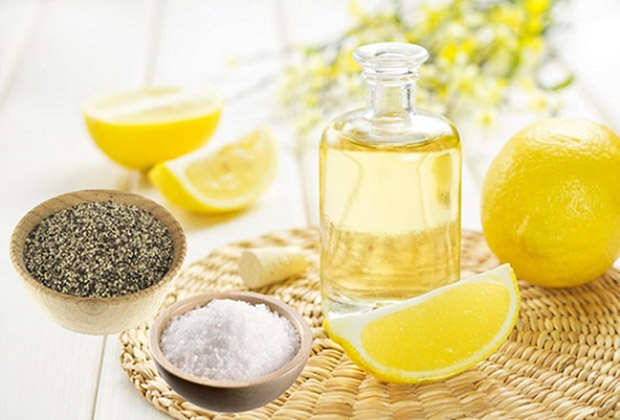
Citrus fruits and their juices are the best natural sources of citric acid. In fact, the word citric is derived from the Latin word citrus.
Examples of citrus fruits are:
- Lemon
- Lemon green
- Oranges
- Grapefruit
- Mandarin
- Darabi
Other fruits also contain citric acid, but in smaller amounts. These fruits include the following :
- Pineapple
- Strawberry
- Raspberry
- Cranberry
- Cherries
- Tomato
Lemon and other citrus fruits are natural sources of citric acid. Other fruits that contain much less are berries, cherries and certain types of tomatoes.
Drinks or foods containing these fruits – such as tomato sauce in the case of tomatoes – also contain citric acid. Although citric acid is not found naturally, it is a by-product of the cheese, wine and sourdough production process.
Citric acid, which makes up foods and supplements, is made artificially, unlike citrus fruits, which are naturally found in this acid. The reason for this artificial construction is that the production of this additive from citrus is very expensive and the demand is more than the supply.
Artificial resources and uses
The properties of citric acid make it an important additive for various industries. Food and beverages use approximately 70% of the synthetic citric acid available on the market, with pharmaceutical and dietary supplements of the remaining 20% and 10% allocated to detergents and detergents.
Citric acid is a versatile additive for foods, beverages, medicines and food supplements as well as cleansing and disinfecting products.
Food industry
Produced citric acid is one of the most common food additives in the world. It is used to enhance acidity, enhance flavor and preserve ingredients.
Lemonade, fruit juices, powdered drinks, candy, frozen foods and some dairy products often contain synthetic citric acid.
It is also added to canned fruits and vegetables to protect against botulism (a rare but serious disease caused by the bacterium Clostridium botulinum, which produces toxins).
Medications and supplements
Citric acid is a major industrial ingredient in medicines and dietary supplements. It is added to medicines to help stabilize and retain active ingredients, and is used to enhance the taste of chewable or syrupy medicines.
Mineral supplements, such as magnesium and calcium, may contain citric acid – in the form of citrate – to increase absorption.
Disinfect and wash
Citric acid is a useful disinfectant against a variety of bacteria and viruses. A laboratory study suggests that it may be effective in treating or preventing human neurovirus (a major cause of food-borne diseases).
Citric acid is sold as a general disinfectant and cleanser to remove soap residues, hard water stains, lime and rust.
It is seen as a safe option for conventional disinfectants and cleaning products, such as bleach and chlorine.
Health benefits and uses for the body
Citric acid has many significant health benefits and functions:
- Metabolizes energy
Citrate – a dependent molecule of citric acid – is the first molecule to be formed through a process called the citric acid cycle. Chemical reactions in your body, known as tricarboxylic acid (TCA) or Krebs cycle, help convert food into usable energy. Humans and other creatures get most of their energy from this cycle.
- Increases nutrient absorption
Complementary minerals are available in various forms. But not all forms are produced the same way, because your body uses some of them more effectively.
Citric acid increases the bioavailability or bioavailability of minerals and allows your body to better absorb them. For example, calcium citrate does not require stomach acid for absorption. It also has fewer side effects – such as gas, bloating, or constipation – than another form called calcium carbonate.
Therefore, calcium citrate is a better option for people with less stomach acid, such as adults and especially the elderly. Likewise, magnesium is fully absorbed in the form of citrate and is more viable than magnesium oxide and magnesium sulfate. Citric acid also increases the absorption of zinc supplements.
Safety tips
Manufactured or synthetic citric acid is generally recognized as safe by the Food and Drug Administration (FDA). There have been reports of disease and allergic reactions to this additive.
One report states that joint pain is accompanied by swelling and stiffness, muscle and stomach pain, as well as shortness of breath in cases after eating foods containing citric acid.
These symptoms are not seen in people who take natural forms of citric acid such as lemon. The researchers acknowledged that they could not prove that artificial citric acid was responsible for the symptoms, but suggested that their use in food and drink be further studied. However, the scientists said that these symptoms were most likely related to the mold used to produce citric acid, not the citric acid itself, and therefore citric acid can be considered a safe food.
Related articles :
