
Vanilla is the only edible fruit of the orchid family, which is the largest family of flowering plants in the world. There are more than 150 types of vanilla plants. No two vanilla beans are the same in taste, aroma or color. Vanilla is still the most popular ice cream flavor in the United States.
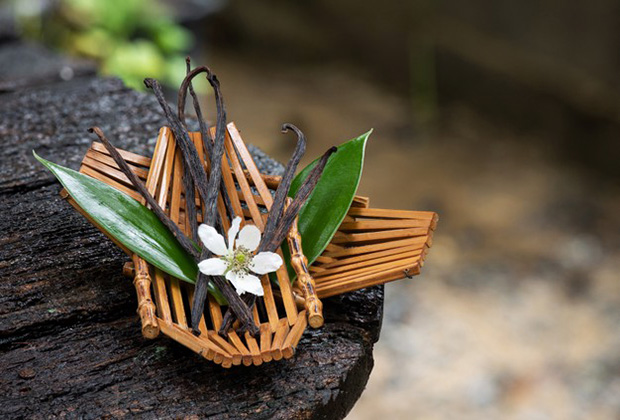
Vanilla is a member of the tropical orchid family (Orchidaceae family) and a flavoring agent extracted from their wood (pods).
History
Vanilla is native to South and Central America and the Caribbean. Here is the history of this precious material :
The Maya were the first discoverers of vanilla
While the Totonac people (known as Totonac in present-day Veracruz, Mexico) are the first producers of vanilla, the earliest reports of vanilla use date back to the Maya in Colombia. The Maya used vanilla in beverages made with cocoa and other spices.The Aztecs (early inhabitants of Mexico) followed this method after the conquest of the Tutankhamun Empire, adding vanilla to a drink consumed by the aristocracy known as modern-day chocolate.
Vanilla soon became popular in Europe
The conquest of the Aztecs by Spain in 1519 brought this fragrant flower – and with it cocoa – to Europe. Vanilla was grown in botanical gardens in France and England, but never produced magnificent Mexican seeds.
Centuries later, the reason for this became clear. In 1836, Charles Moran, a Belgian farmer, reported that the natural pollinator of vanilla was the bee Melipona, an insect that did not live in Europe! (However, a recent study suggests that Euglossine bees may actually be the main pollinators of orchids.)
A slave revolutionized vanilla cultivation
Five years later, on Réunion Island, a 39-mile volcanic point in the Indian Ocean, everything changed. In 1841, a slave on the island named Edmund Albius developed the laborious yet effective method of manual vanilla pollination that is still used today.
This method involves exposing and mating the male and female parts of the flower. His technique spread from Réunion to Madagascar and other neighboring islands, eventually returning to Mexico and becoming a way to boost the vanilla harvest pollinated by bees.
Today, it is used in a variety of sweet foods and beverages, especially chocolate, sweets, ice cream, confectionery and perfume products.
Physical structure
Vanilla plants have a long, fleshy mountain stem that attaches to trees by aerial roots. The roots also penetrate the soil. Due to their thin structure, the flowers can only be pollinated by special small bees.

In areas outside the natural pollination area, the flowers are pollinated as soon as they are opened with an artificial wooden needle. The color of the flowers varies from light green to yellow to creamy white. The fruit, a long capsule, reaches its full length of 20 cm (8 inches) in four to six weeks, although it may take up to 9 months to fully mature. As soon as the capsules turn golden green, the pods are removed.
Why is real vanilla so expensive?
Vanilla is the second most expensive spice in the world after saffron. Explaining the reason for its high price is a complex and big issue, but in general, there are two main factors in the price of vanilla :
The first is its laborious and time-consuming production
Once the vanilla grows outside its mainland Mexico, special local bees can no longer be used to facilitate pollination and reproduction between the male and female parts of the orchid. That is, in places like Madagascar, each vanilla orchid must be pollinated by a worker on a day of the year when the plant is flowering.
It then takes 9 months for the seed pods to grow, after which they begin the growth process, during which the white beans sweat for several weeks and dry in the sun.
The next item is the weather
On the other hand, more than 80% of the world’s vanilla is grown on the island of Madagascar, which has recently been affected by severe weather and storms. Unsuccessful crop yields have pushed up the price of vanilla beans to nearly $ 600 per kilogram, which is 10 times more expensive than a few years ago.
Types of vanilla
Just like chili peppers, different vanilla beans have different flavors depending on where they grow. This is due not only to differences in climate and soil, but also to the unique growing method and drying of each region :
Madagascar
Madagascar Vanilla Beans, also known as Bourbon Vanilla Beans, have nothing to do with bourbon or any other type of alcohol (unless you make vanilla extract). Instead, these vanilla seeds grow from the genus Planifolia, which originated in the Americas, in the islands of the Indian Ocean.
These islands include Madagascar, Comoros, and Réunion, formerly thele Bourbon (where the vanilla bourbon takes its name). Bourbon Vanilla Beans are the most popular type of vanilla, firstly because of its clear and creamy taste and secondly because Madagascar is truly the best vanilla producer in the world.
These vanilla beans are the thinnest of the four main types of vanilla and also have the most flavor. Madagascar vanilla beans go well with apples, eggs, fish, ice cream, melons, milk, peaches, pears and strawberries.
Mexican
Mexican vanilla beans from the genus Planifolia are known as the best vanilla beans in the world. Some believe that vanilla originates from this region, so it should not be surprising. In fact, vanilla beans were monopolized by Mexico until explorers began exporting them to other countries in 1800.
Mexican vanilla beans are thicker than other types. The flavor of Mexican vanilla beans is similar to that of Madagascar vanilla beans, although Mexican vanilla has a soft, high-quality, spicy woody aroma that provides a depth of aroma that other vanilla beans cannot match.
The dominant and strong flavor of Mexican vanilla beans is excellent and effective in the recipes in which vanilla plays a major role, such as cheesecakes, chocolate desserts, custard, brulee cream, ice cream and sweet breads.
Tahiti
Tahitian vanilla beans are the most expensive type of vanilla bean, but don’t let that stop you from using this unique product.
Vanilla tahitensis is grown in the South Pacific. These seeds are shorter and more fertile than planifolia vanilla seeds and also have a higher water and oil content. Their strong, fruity and floral aromas are widely used, especially by tasteful European chefs.
These vanilla beans have a great flavor and aroma. Tahitian grains are flat and flat, while also containing less vanillin.
Vanillin is an organic compound in vanilla beans that is responsible for the vanilla flavor. This floral fragrance includes ripe fruits with a deep and rich flavor including chocolate, cherries, licorice and caramel. These properties make this type of vanilla the most used in commercial perfume products.
Uganda
Uganda vanilla beans are sometimes overshadowed by the first three types of vanilla, but Ugandan vanilla beans deserve to be on the list of high quality vanilla beans. Vanilla beans produced in Uganda are much rarer than the first three types and have incredible characteristics and flavors.
This earthy aroma is accompanied by a slight amount of milk chocolate, while its taste is bold due to the high level of vanilla.
These beans are similar in taste to Madagascar cream beans. They are great for making super-rich desserts such as ice cream, cookies and drinks.
Artificial vanilla
Pure vanilla is expensive. In order to reduce the price of vanilla and make it cheaper, synthetic vanilla was produced. Synthetic vanilla is made from artificial flavors, two common sources being lignin vanillin, a by-product of the paper industry that tastes like vanilla, and ethyl vanillin, a derivative of coal tar.
Now that you know a little about the different types of vanilla beans, we can look at the different shapes they contain.
What are the different forms of vanilla?
With so many vanilla beans, how do you know which one is right for you? Let us explain each one to make it easier for you to determine which of the different types of vanilla is right for you :
Vanilla extract
Not only is vanilla bean pods used to make desserts, they are also used to make real vanilla extract.
What many people do not know is that the vanilla flavors they buy at the grocery store may not contain real vanilla at all! Real vanilla extract is made by soaking vanilla beans in alcohol until the alcohol absorbs the flavor and is therefore well worth the price. The most popular type of vanilla used to make the extract is Madagascar vanilla.
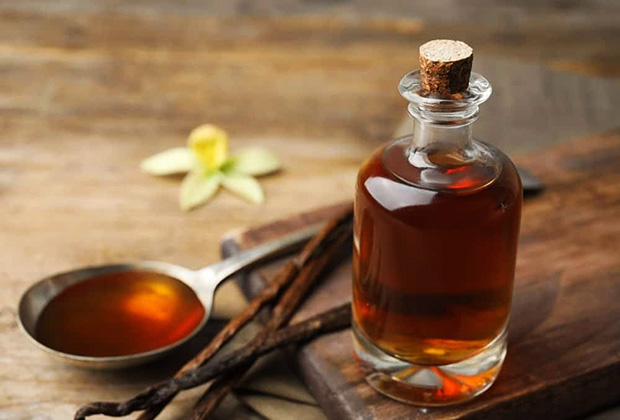
Vanilla extract is the most widely used of the three vanilla products, and this is probably why it is the most cost-effective. It is made by soaking the beans in a mixture of water and alcohol until the beans are separated and liquid. The alcohol is cooked during cooking and leaves the vanilla flavor behind.
There are two different types of extracts: pure and synthetic. Most people use synthetics. Synthetic is not as strong as a pure extract, but keep in mind that it is cheaper. When buying an extract, we recommend that you spend a little more on the pure extract and have a better flavor. It’s a little expensive, but requires less to taste.
Vanilla paste
Vanilla paste is a type of vanilla between vanilla extract and beans. Unlike extracts, vanilla paste is not made with alcohol. It is made by combining beans with a thick, sweet syrup.
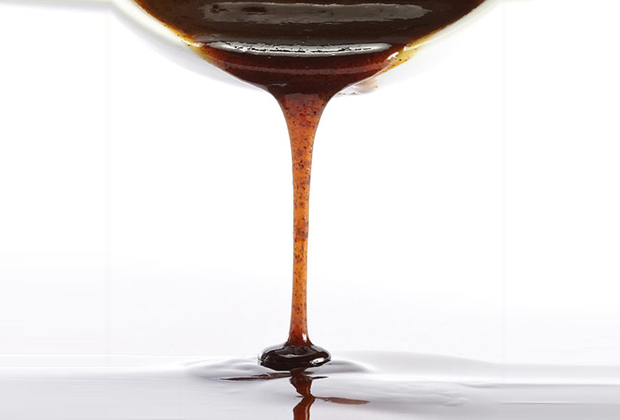
This paste has a stronger vanilla flavor than the extract, but it is not as strong as beans. The dough is similar in appearance, smell and taste to vanilla beans and easy to use with vanilla extract.
Vanilla beans
If you want to have a strong smell and taste of vanilla in your cooking, the solution is vanilla beans.
They are a brown, waxy pod full of tiny, slightly dark grains. (If you’ve never seen beans, you’ve probably seen dark streaks in vanilla-flavored ice cream). When using them, always make sure that the beans are smooth, soft and somewhat round.
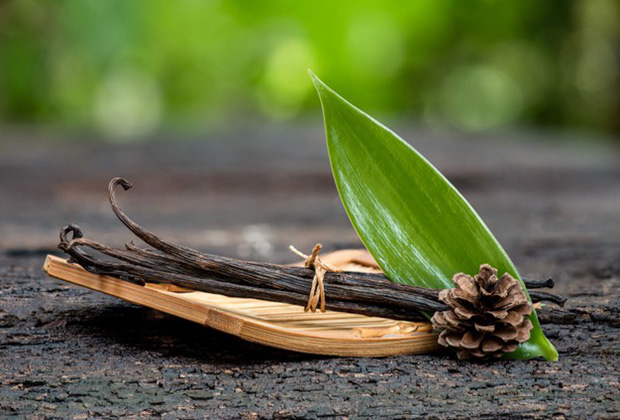
It is better for the beans to be large enough, because they are full of tasty brown beans. If you go to the store to buy them, remember not to buy dried beans. Of course, some time has passed since the peak of their quality and they are no longer very good.
Typically, each vanilla bean contains two to three teaspoons of pure extract. Add dark bean chips to your cuisine to experience its unique taste.
The last word
We hope that by reading this article you have become somewhat familiar with vanilla, its history and types.
In future articles, we will discuss interesting facts about vanilla, the use of vanilla in medicine and health, and other fascinating points about this amazing fruit and spice.
Related article :