
Check the question
Is oral dextrose gel effective and safe in preventing hypoglycemia and reducing long-term disability in infants at risk for hypoglycemia?
Introduction
Low blood sugar (glucose) levels are important because they are very common and are associated with brain damage in newborns. On average, 15 out of every 100 babies have low blood glucose levels in the first few days after birth.
About half of the babies at higher risk are those who are born prematurely, are smaller or larger than normal, or whose mothers have diabetes.
Low blood glucose levels can cause problems in academic progress and especially growth in childhood. Some evidence suggests that even a single episode of low blood glucose or undiagnosed episodes can contribute to these problems.
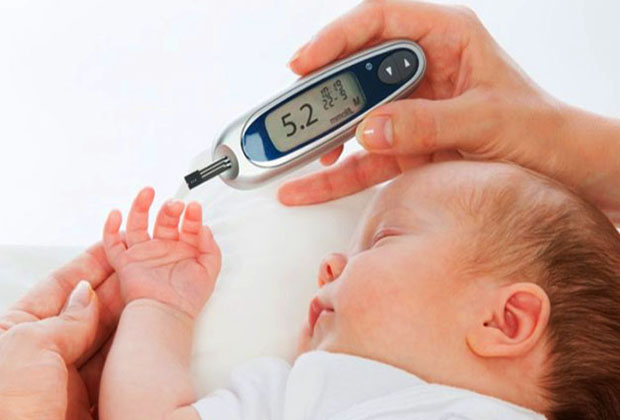
Therefore, it is very important to prevent the occurrence of low glucose levels. In addition, treatment for low glucose levels often involves the administration of formula or admission to the neonatal unit, which results in the separation of mother and infant. Treatments and isolation may both interfere with breastfeeding.
Now you should know that dextrose (sugar) gel can be rubbed inside the baby’s mouth, where the sugar can be absorbed and help raise blood glucose levels. As a result, it potentially prevents glucose levels from falling.
Characteristics of the study
We reviewed two studies in high-income countries that compared oral dextrose gel with placebo (inactive) gel to prevent low blood glucose levels in 2548 at-risk infants. The evidence in this Cochrane review was still valid until October 2021.
Key results
Two studies have shown that prophylactic oral dextrose gel reduces the risk of low blood glucose levels in at-risk newborns.
An individual study reporting the results of two years of research on 360 infants found that oral dextrose gel given to at-risk infants to prevent low blood glucose levels likely increased the risk of major disabilities at age two and beyond. although other studies are needed for this conclusion.

Two studies showed that oral dextrose gel probably reduced the need to receive any other treatment for low blood glucose during the initial hospital stay, and therefore almost no difference with intravenous treatment for low glucose or weaning for It does not treat low glucose.
Evidence from two recent studies did not show that infants who received oral dextrose gel were at greater risk of adverse effects (harms) such as choking or vomiting compared to infants who received conventional soothing gels. .
However, there is no data to assess whether oral dextrose gel is safer. In treatment with other treatment methods, no information was available on exclusive breastfeeding after discharge.
Future research should be conducted in preterm infants from low- and middle-income countries, using other studies on dextrose gel and comparators other than placebo gels. Three studies are awaiting classification and one study is ongoing, which may alter our conclusions.
Certainty of evidence
We rated the certainty of evidence as moderate for all outcomes except risk of low blood glucose levels (rated as high certainty) and maternal separation (rated as low certainty).
Conclusion of the researchers
Oral dextrose gel reduces the risk of neonatal hypoglycemia in at-risk infants and possibly reduces the risk of major neurological disability at two years of age or later, without an increased risk of adverse events compared with placebo gel.
Of course, more studies are needed for ages two and older.
To buy dextrose monohydrate or to know the price of dextrose monohydrate , contact the experts of the collection through our contact us page.
Related Articles:
