
There are 3 main forms of sugar that we usually consume. Glucose, fructose and sucrose. Sugars are an important source of energy for the human body as well as an essential additive in many food preparation processes.
Glucose and dextrose are basically the same thing. The names “glucose” and “dextrose” are often used interchangeably. Dextrose, formally known as hydrogen dextrose (monohydrate) or diglucose, is the most common type of glucose.
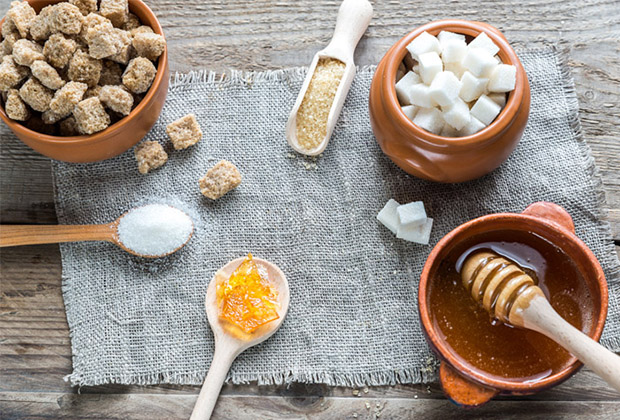
Glucose; The primary source of energy for the body
When we eat, our digestive system breaks down food to produce glucose, which is the body’s main source of energy. Glucose is the most common form of simple sugar found in living organisms. When we consume glucose and it is absorbed into the bloodstream, it is usually called blood glucose or blood sugar.
Glucose is essential for maintaining proper body function, and a sudden rise or fall in our blood sugar levels can have unhealthy effects. Your body produces glucose from carbohydrate-rich foods such as bread, fruits and dairy products.
You can also take glucose as a glucose supplement, which is an effective treatment for hypoglycemia (a condition known as hypoglycemia). People with diabetes need to be especially careful about their glucose levels.
How do we process glucose in the body?
Our blood sugar levels go up and down at different times of the day depending on our physical activity and the last time we ate. We get all the glucose our bodies need from the foods and drinks we eat. A healthy person’s glucose level is usually between 4 and 7 mmol / L before eating.
This level can reach 8.5 to 9 mmol per liter up to two hours after eating. To help your cells absorb glucose, the pancreas produces insulin, a hormone that breaks down glucose. This lowers blood sugar levels until the next meal.
Diabetes occurs when the body does not produce enough insulin or can not use the insulin it produces effectively. People with the disease need an external source of insulin (mainly insulin injections) to regulate their glucose levels.
Molecular properties of glucose
Glucose is naturally present in two distinct types of molecular arrangements called the L-glucose and D-glucose isomers. Diglucose is found naturally in plants and vegetables.
On the other hand, L-glucose does not exist naturally in nature, but can be synthesized in the laboratory. D-glucose is often referred to as dextrose or dextro, they are one and the same and are biochemically identical to the glucose required by the body.
Natural Sugars
Dextrose is a form of glucose found in natural foods such as corn, fruits and honey. While dextrose, sucrose, and fructose are all simple sugars, each can have different effects on blood sugar levels.
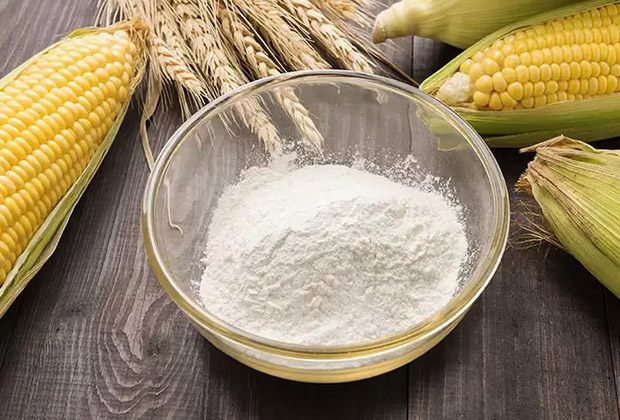
Due to its molecular composition, dextrose scores 100 on the glycemic index, because it raises blood glucose levels very quickly. In comparison, sucrose and fructose have scores of 65 and 19 on the GI scale.
Dextrose also has about 20% less sweet taste than sucrose, which is why sucrose is often used as a sweetener in processed foods.
According to the World Sugar Association, most dextrose in foods comes from cornstarch. You can find dextrose in many foods, desserts, beverages, snacks and cooked products. It is especially popular in the food industry because of its swelling benefits and preservatives, while making the final product relatively sweet.
Increased blood sugar levels with dextrose
Dextrose is similar to glucose (the two can be used interchangeably) and is effective in managing low blood sugar. People with hypoglycemia or diabetes can be given dextrose orally or intravenously to raise their blood sugar levels very quickly.
Side effects of dextrose
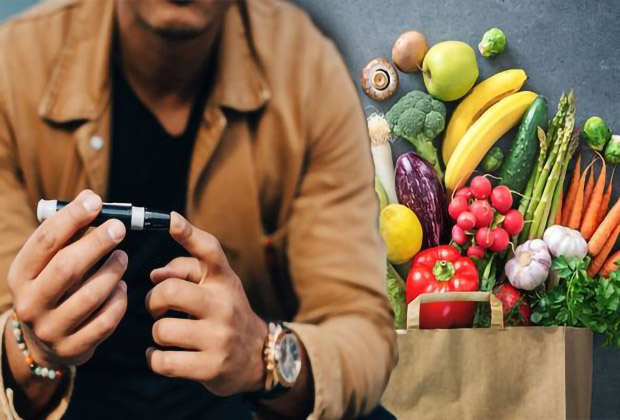
A side effect of dextrose is its ability to raise blood sugar to levels above acceptable levels, a condition known as hyperglycemia. People with diabetes should be careful when consuming dextrose, as they may not be able to process it quickly.
15 minutes rule
You can follow the 15-minute rule when prescribing dextrose as a treatment for hypoglycemia. Consume 15 grams of dextrose and after 15 minutes, check the results using a glucometer. Continue this process until your blood sugar level reaches above 4 mmol / L.
Summary
Biochemically, glucose and dextrose are the same. This makes dextrose the most efficient source of energy for the body, because unlike other simple sugars, dextrose can enter the bloodstream directly to raise blood sugar levels, making it a quick-acting treatment for diabetics and people with hypoglycemia.
To buy dextrose or to know the price of dextrose, contact the experts of the collection through our contact us page.
Related Articles:
